
0-0x0-0-0-{}-0-0#
By Gabriel Ameh
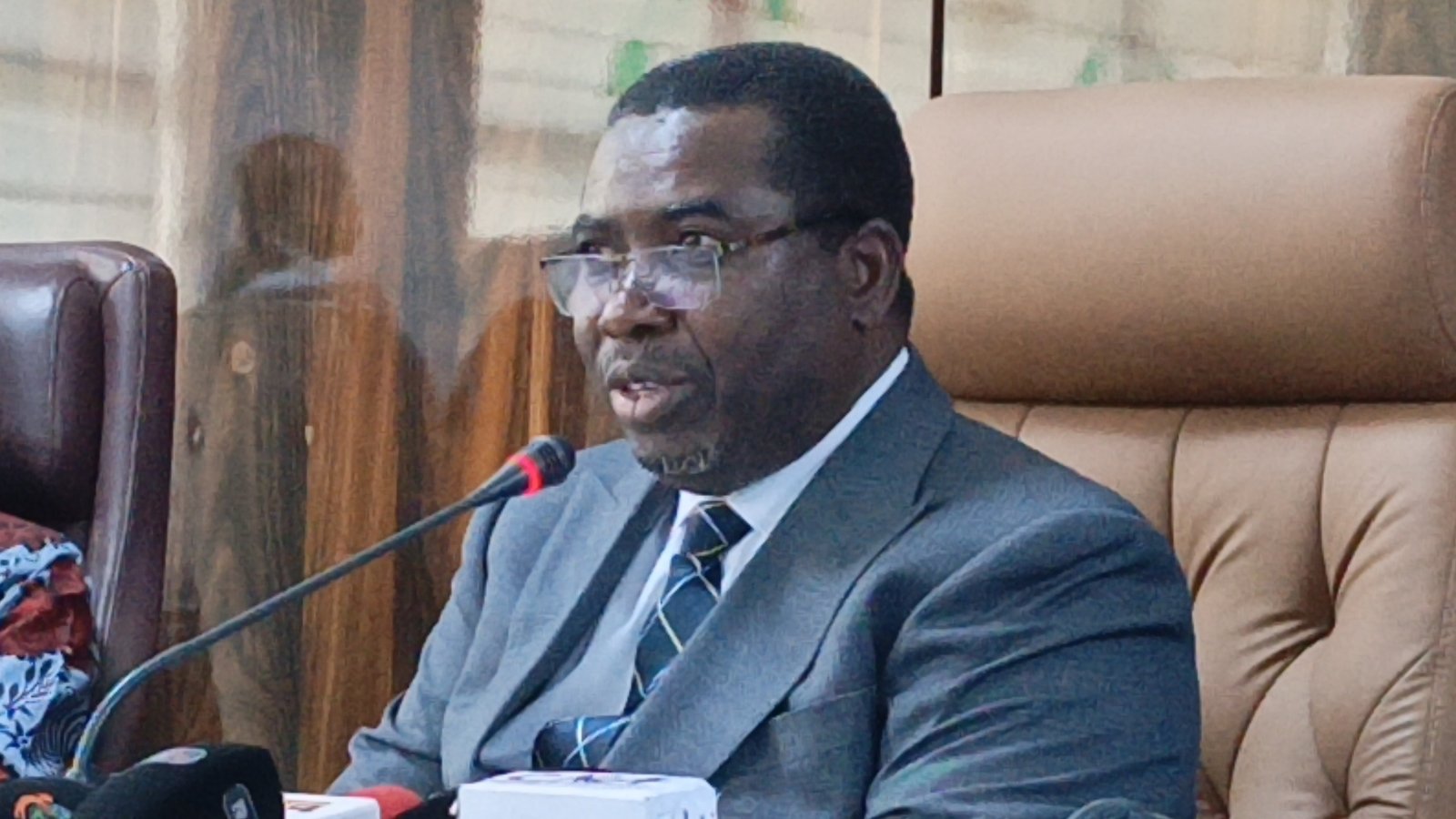
Abuja — The Chairman of the Independent National Electoral Commission (INEC), Prof. Joash O. Amupitan, SAN, has directed that electoral officials responsible for the late opening of polling units in future elections will face sanctions.
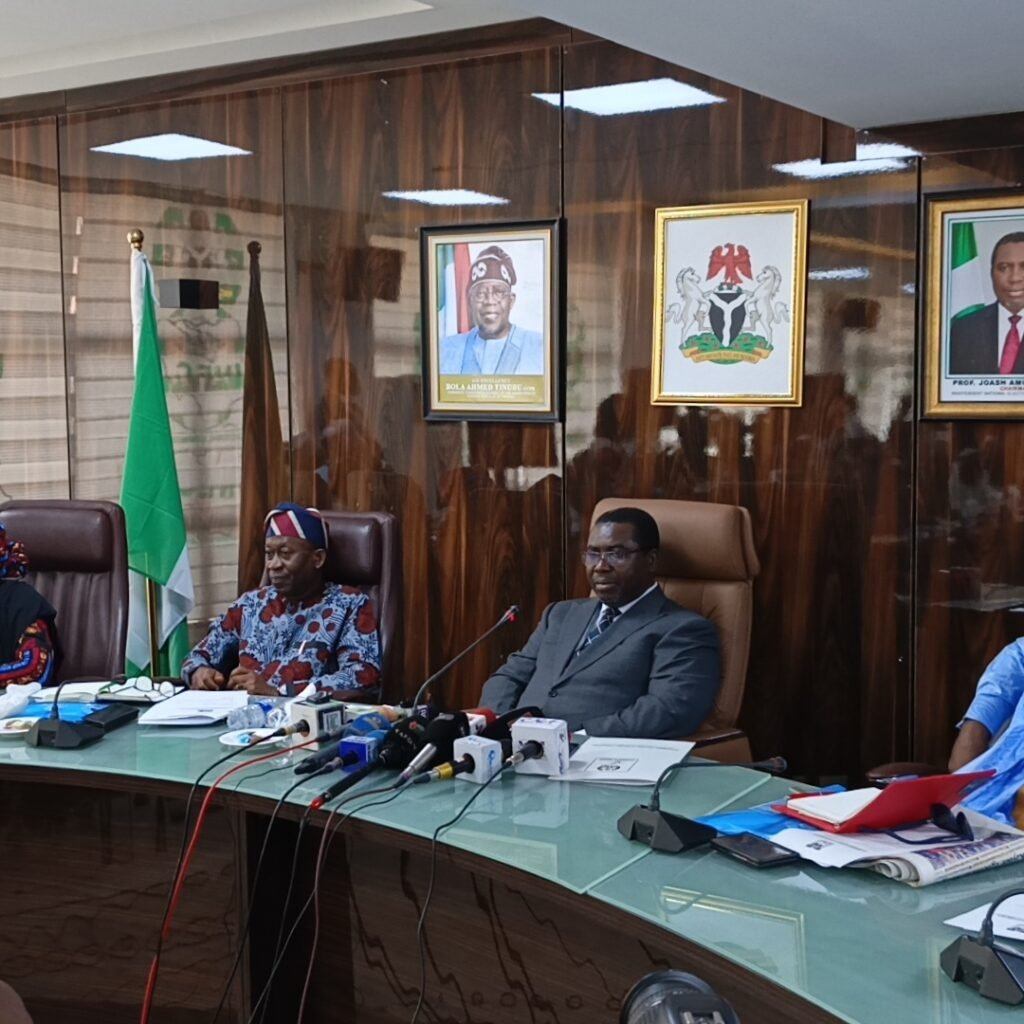
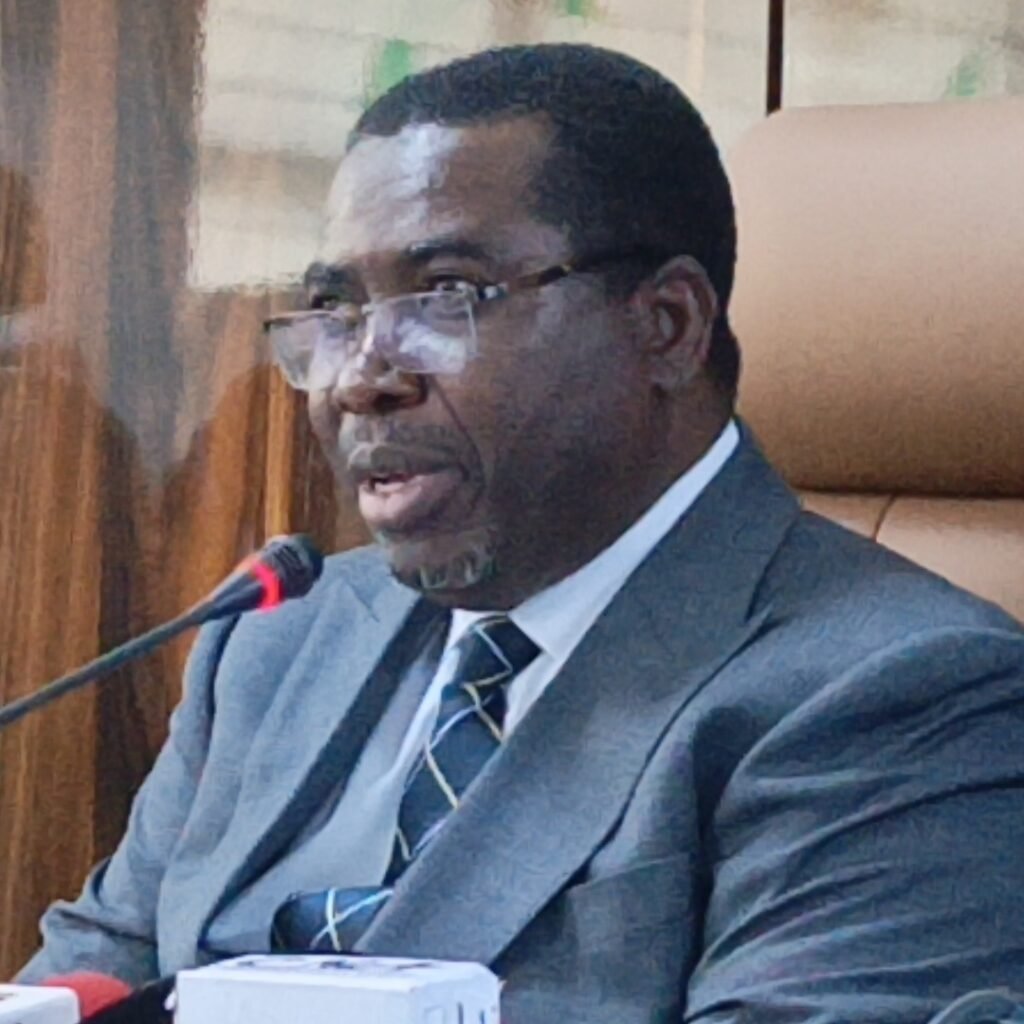
Speaking on Wednesday at the Commission’s headquarters in Abuja during a meeting with Resident Electoral Commissioners (RECs), Prof. Amupitan said delays at polling units undermine public confidence in the electoral process and would no longer be tolerated.
The directive comes as INEC intensifies preparations for forthcoming off-cycle governorship elections and the 2027 General Election.
Delays in FCT Election “Unacceptable”
Reflecting on the February 21, 2026 Area Council election in the Federal Capital Territory (FCT), as well as bye-elections in Kano and Rivers states, the INEC Chairman expressed dissatisfaction over the late commencement of voting in several polling units.
He disclosed that only 45 per cent of polling units in the FCT opened by 8:30 a.m., although all were operational by 10:00 a.m.
“Each polling unit that opens late erodes trust. Each staff member who neglects duty diminishes our collective reputation,” he said, warning that erring officials would be disciplined.
According to him, staff members in Kuje Area Council and Kabusa Ward are currently being queried over logistics lapses, while a transporter linked to delays in Kwali Area Council will be blacklisted.
Despite the setbacks, Prof. Amupitan noted that over 93 per cent of polling unit results were uploaded to the INEC Result Viewing (IReV) Portal by 2:00 p.m. the day after the FCT election, with the average upload rate later reaching 97 per cent.
Voter Turnout Improves, But Still Low
The INEC Chairman acknowledged a modest improvement in voter turnout in the FCT. Participation rose from 9.4 per cent in 2022 to approximately 15 per cent in 2026, with more than 239,000 voters casting ballots, compared to 148,685 in the previous cycle.
However, he described the turnout as still unsatisfactory and urged RECs to intensify voter education and public engagement.
“No Voter Migration in 2026”
Addressing concerns about alleged voter migration in the FCT, Prof. Amupitan clarified that no voter was moved in 2026.
He explained that the decongestion and expansion of polling units were carried out in 2022 under the Commission’s Expansion of Voters’ Access initiative. Nationwide, over 56,000 additional polling units were created, raising the total from 119,972 to more than 176,000.
About 6.7 million voters were redistributed from roughly 12,000 overcrowded polling units to 17,000 less congested ones during the exercise.
In the FCT alone, 411 polling units were decongested, with approximately 580,000 voters redistributed to 1,156 units. He said the measures were purely administrative and aimed at easing accreditation and voting, particularly in polling units with more than 1,250 registered voters.
INEC, he added, notified affected voters via text messages and emails and provided access to its online Polling Unit Locator ahead of the election.
BVAS Safeguards Strengthened
The Chairman also condemned the invasion of collation centres in Kuje and Kwali Area Councils by suspected thugs during result collation but commended security agencies for restoring order and ensuring the completion of the process.
He disclosed that additional safeguards had been integrated into the Bimodal Voter Accreditation System (BVAS) to prevent manipulation. Presiding officers are required to upload images of completed Form EC8A to the IReV portal and enter party scores directly into the BVAS device.
The system, he explained, conducts internal validation checks to ensure votes do not exceed accredited voters and that figures are mathematically consistent, automatically flagging cases of over-voting.
On viral claims that a polling unit in Yangoji Ward, Kwali Area Council, recorded 1,219 votes for a party despite having only 345 registered voters, Prof. Amupitan said investigations confirmed the discrepancy was a clerical error during data entry.
He stated that after a public recount, the correct figure of 121 votes was recorded and reflected at ward collation, with the FCT REC issuing a statement to clarify the matter.
“There is no room for error or excuse in this crucial process,” he cautioned.
Electoral Act 2026 and Register Revalidation
Prof. Amupitan informed the RECs that a new Electoral Act 2026 had been enacted after INEC issued its Notice of Election on February 13 under the previous law. He said the Commission would revise the timetable for the 2027 General Election to align with the new legislation.
He also announced plans for a comprehensive voter register revalidation exercise ahead of 2027.
Meanwhile, the second phase of the Continuous Voter Registration (CVR), which commenced on January 5, 2026, will continue until April 17, 2026, while the full CVR cycle is scheduled to conclude on August 30, 2026.
The Chairman urged RECs to institutionalise post-election reviews, conduct internal audits, strengthen logistics planning, deepen voter sensitisation efforts, and enforce discipline among staff.
New Abia REC Sworn In
The meeting also featured the swearing-in of Dr. Chukwu Chukwu-Emeka Joseph as Resident Electoral Commissioner for Abia State.
Congratulating the appointee, Prof. Amupitan described the position as both a responsibility and an opportunity to strengthen public trust in Nigeria’s democracy.
“As you embark on this second term, remember that your role is not just about overseeing elections but about fostering trust in our democracy,” he said.
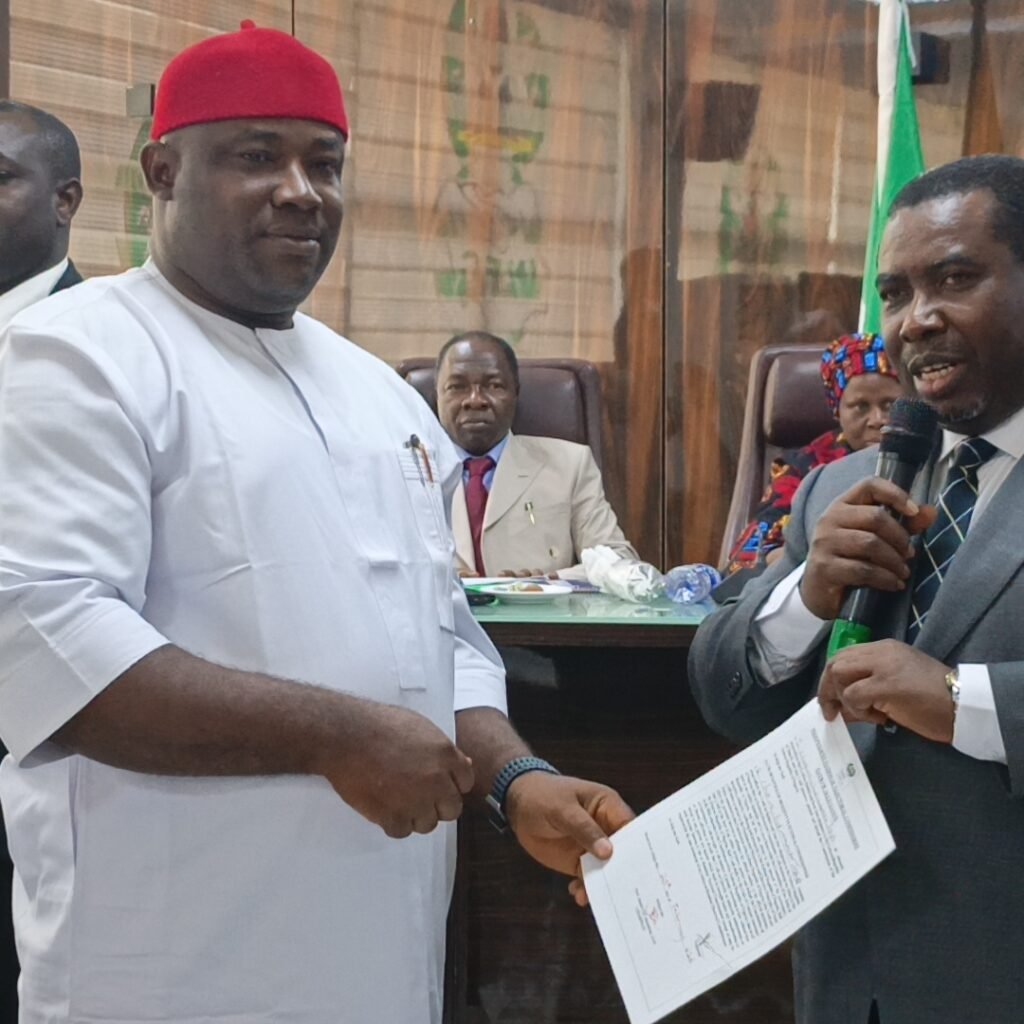
He charged all RECs to return to their states with renewed vigilance and a clear message to staff that excellence in electoral administration is mandatory.
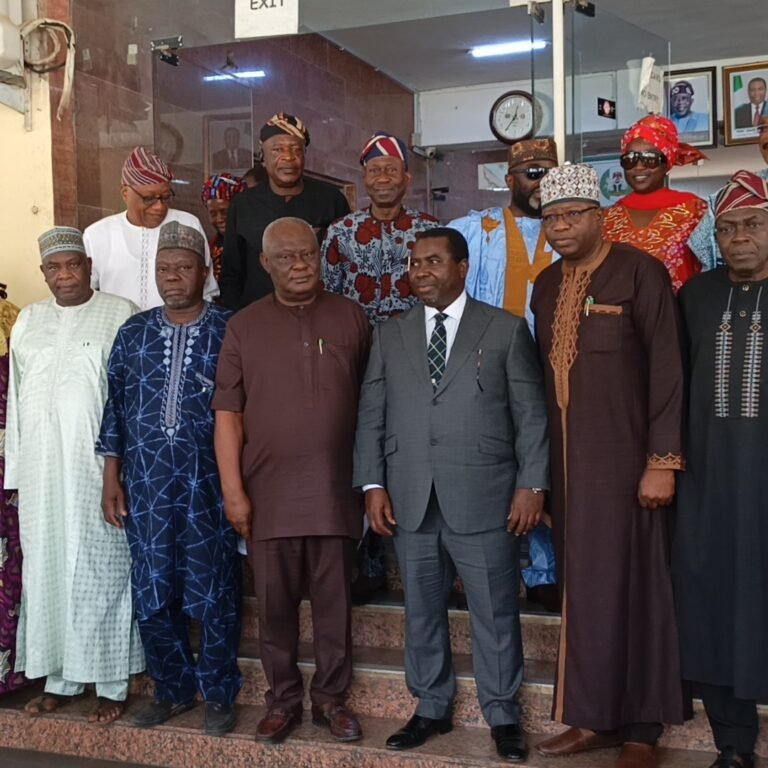
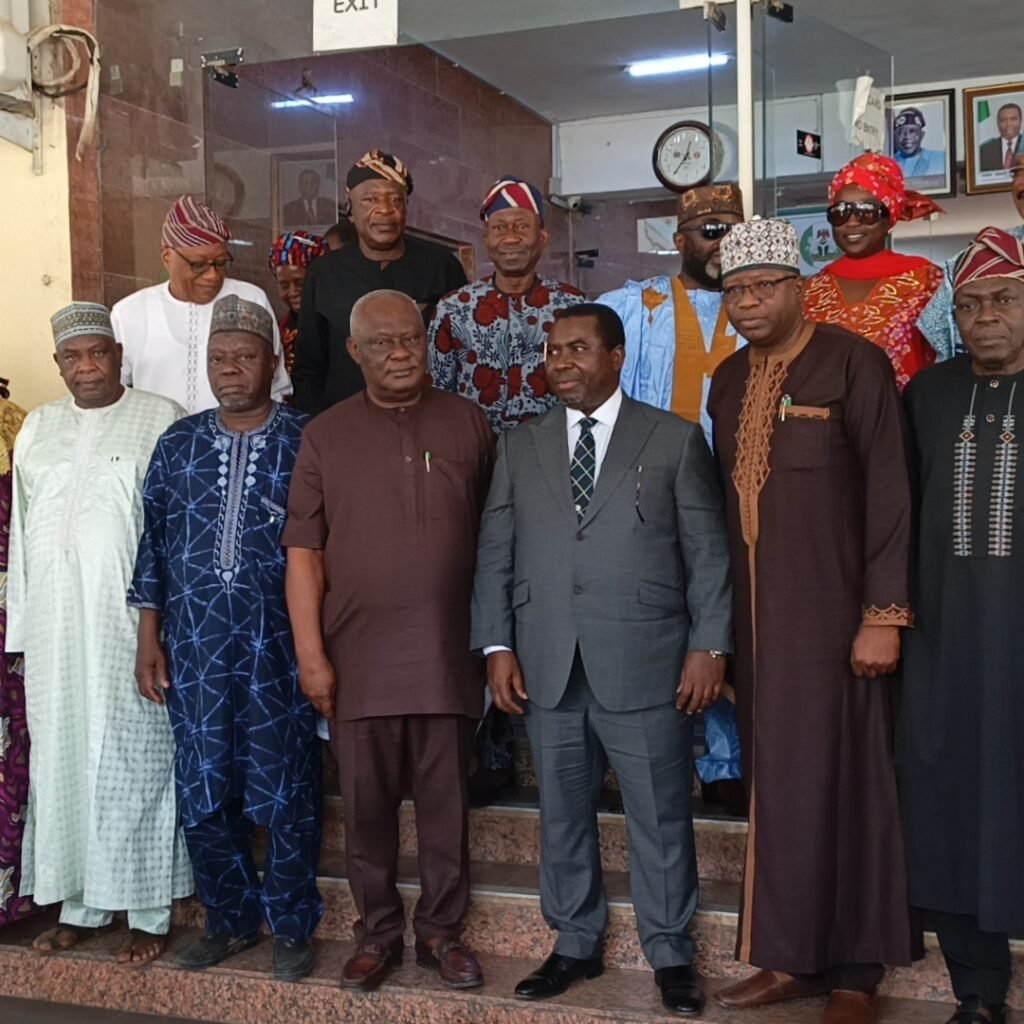
The meeting was attended by National Commissioners, members of the Executive Committee of the Forum of State Independent Electoral Commissions of Nigeria (FOSIECON), and senior officials of the Commission.