


By Gabriel Ameh
FG Unlocks $552m HOPE-EDU Funding to Accelerate Basic Education Reform
The Federal Government has unlocked $552 million in funding under the HOPE-EDU programme to accelerate reforms in Nigeria’s basic education sector.
The intervention, facilitated through the Federal Ministry of Education, is designed to strengthen foundational learning, expand access to quality basic education, and reinforce accountability systems across participating states.
The initiative aligns with the Nigeria Education Sector Renewal Initiative (NESRI), a reform framework aimed at delivering measurable, transparent, and results-based improvements in the education system.
Speaking on the development, Minister of Education, Maruf Tunji Alausa, described the funding activation as a major milestone in Nigeria’s education transformation agenda.
According to him, unlocking the $552 million within 12 months marks the fastest activation of education financing at this scale in Nigeria’s history.
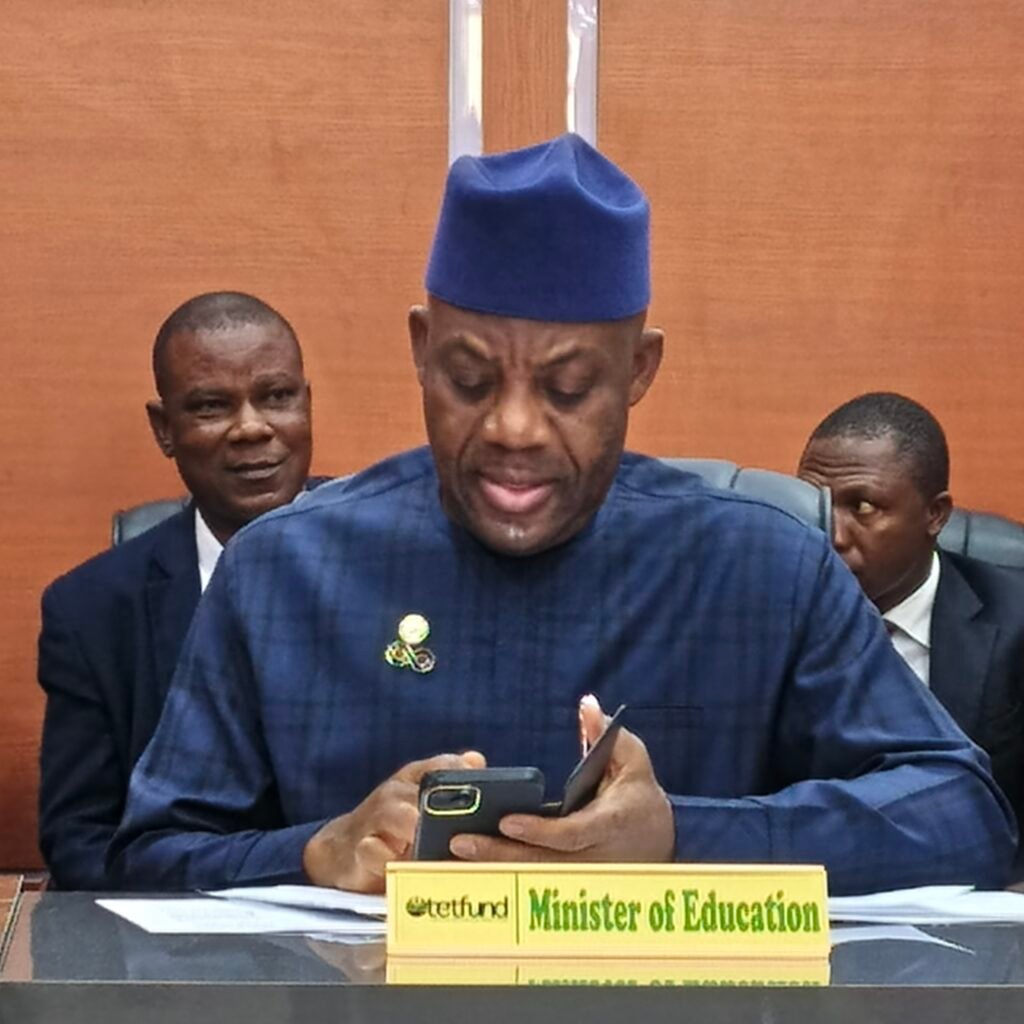
He attributed the achievement to strong intergovernmental coordination and clarity of reform objectives under the leadership of President Bola Ahmed Tinubu.
The Minister stated that the resources would directly improve foundational literacy and numeracy, expand access to schooling, and strengthen system-wide accountability mechanisms across states.
Education Funding Sees Historic Increase
The Ministry disclosed that federal education allocation has risen by over 302 percent since 2022, reflecting increased prioritisation of human capital development.
In the 2026 fiscal year, ₦3.520 trillion was allocated to education the highest allocation to the sector to date. This is complemented by increased sub-national funding aimed at addressing state-specific education challenges.
About HOPE-EDU
The HOPE for Quality Basic Education for All (HOPE-EDU) programme is a results-driven initiative co-financed by the World Bank and the Global Partnership for Education.
The programme focuses on improving foundational learning outcomes, strengthening institutional capacity, expanding equitable access, and enhancing transparency in the delivery of basic education services.
HOPE-EDU forms part of a broader reform architecture that also includes HOPE-Governance and HOPE-Primary Health Care. Together, the initiatives aim to tackle systemic challenges in policy implementation, public financial management, governance, and service delivery across key social sectors.
The Federal Ministry of Education reaffirmed its commitment to ensuring that the funding translates into measurable improvements in learning outcomes, teacher effectiveness, equitable access, and overall system performance.
The government says the ultimate goal is to strengthen Nigeria’s transition toward a knowledge-driven economy and secure better opportunities for future generations.