
By Gabriel Ameh
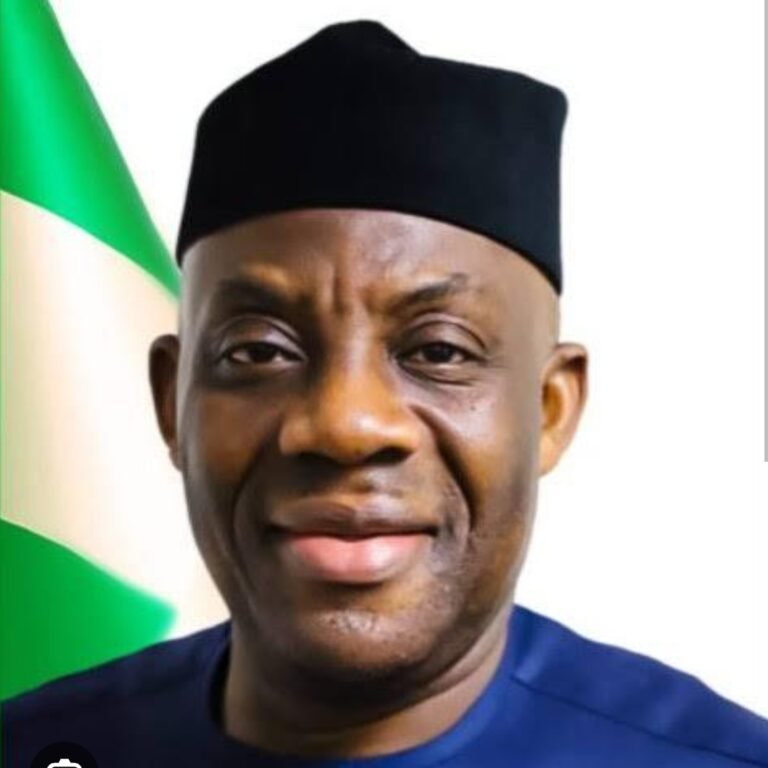
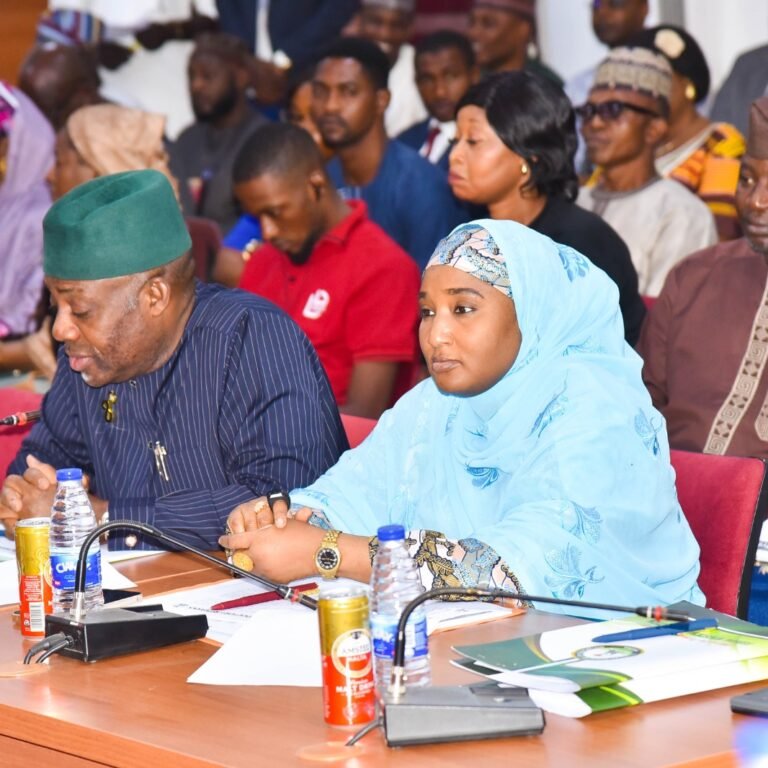
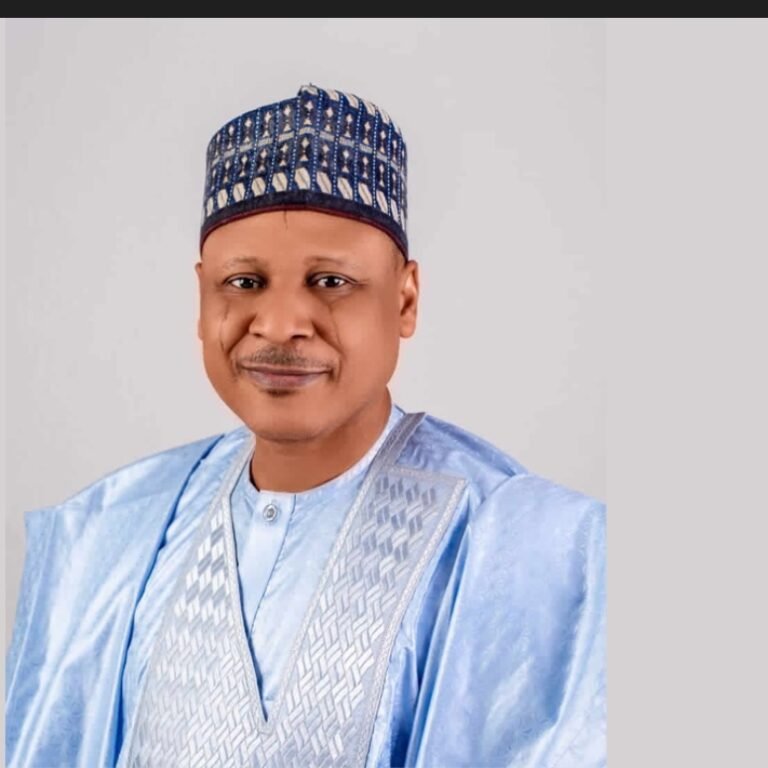
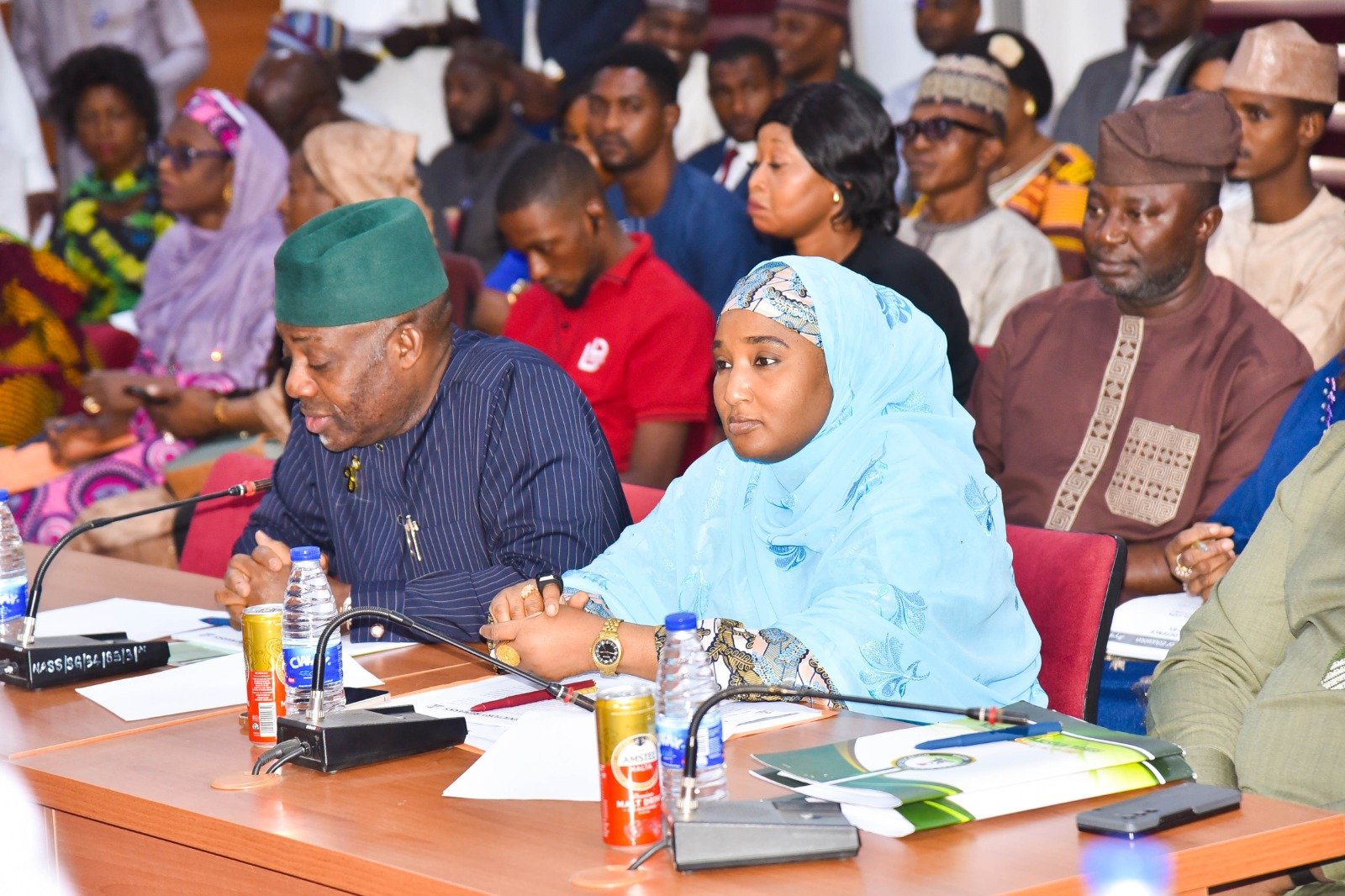
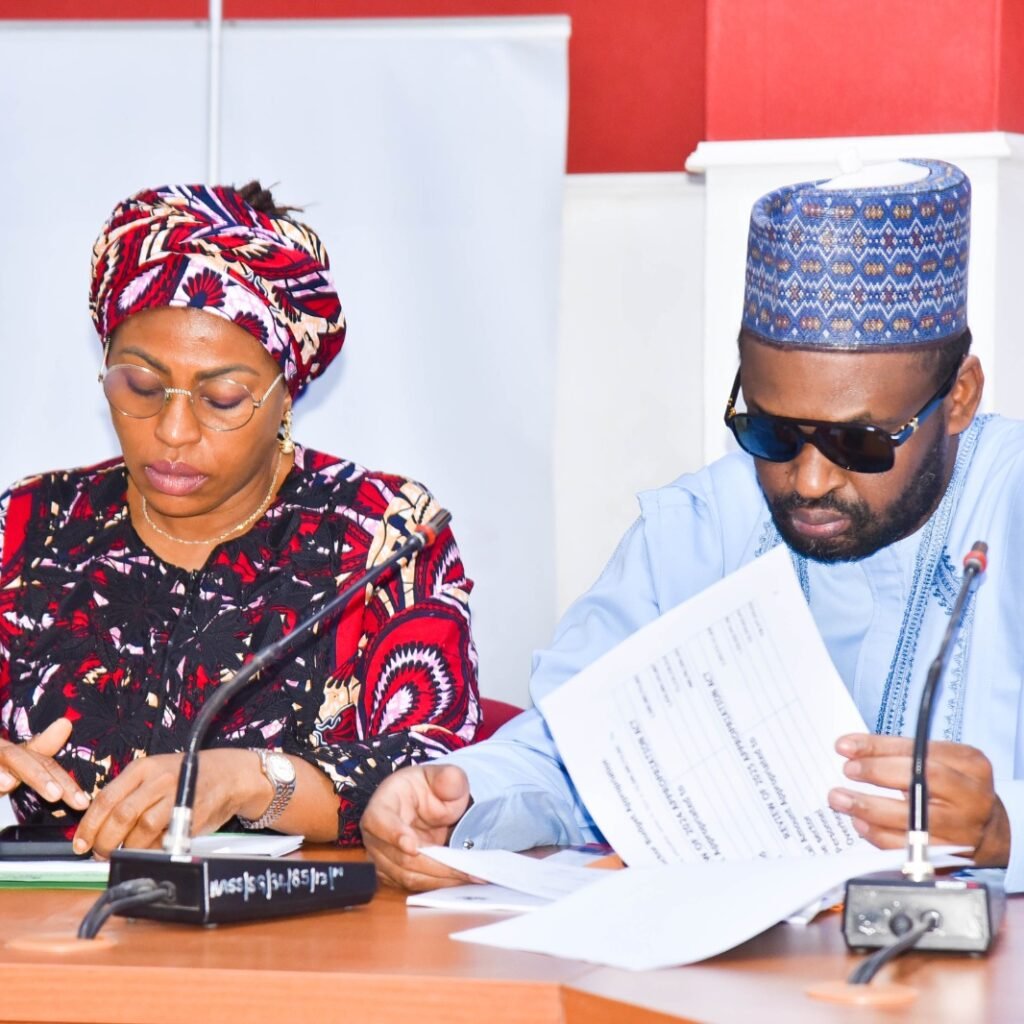
📍 Abuja — The Minister of Education, Maruf Tunji Alausa, has presented the Federal Ministry of Education’s ₦2.4 trillion 2026 Budget Proposal before the Joint Committees on Education of the National Assembly, outlining priorities centered on teacher recruitment, infrastructure upgrades, and skills development.
The budget defence session also reviewed the implementation of the 2025 budget.
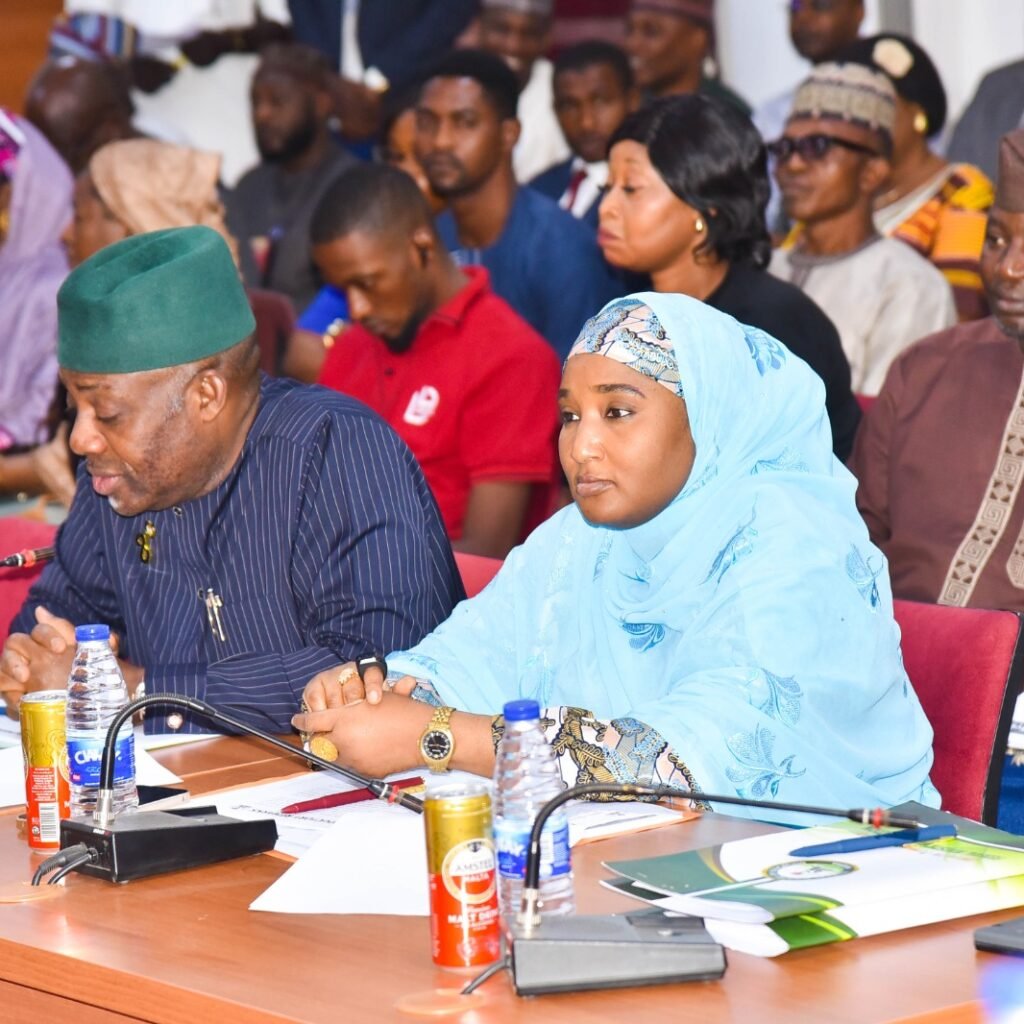
Accompanying the Minister were the Minister of State for Education, Professor Suwaiba Said Ahmad, Permanent Secretary Mr. Abel O. Eniitan, and other senior officials of the Ministry.
Commitment to Project Completion
During the presentation, Dr. Alausa emphasized that rollover provisions in the budget signal the government’s intention to ensure that ongoing education projects are completed rather than abandoned during fiscal transitions.
“Appropriation must translate into execution, and execution must result in visible impact,” he stated.
He acknowledged implementation challenges in the capital component of the 2025 budget but noted progress in personnel and overhead spending.
Addressing Teacher Shortages
A major concern highlighted during the session was the shortage of more than 3,500 teachers in Federal Unity Colleges, particularly in science, mathematics, and technical subjects.
The Minister assured lawmakers that recruitment, structured training, and retention strategies have been prioritised to bridge the gap and improve learning outcomes.
Key Allocations in the 2026 Proposal
The proposed ₦2.4 trillion budget includes:
₦966.9 billion for universities
₦382.0 billion for polytechnics and colleges of education
₦633.3 billion for education parastatals
₦257.9 billion for Ministry headquarters operations
₦155 billion for Federal Unity Colleges
₦10.3 billion for international obligations, including UNESCO commitments
The Ministry also projects expanded Technical and Vocational Education and Training (TVET) programmes aimed at equipping over five million youths with employable and entrepreneurial skills.
Legislative Scrutiny
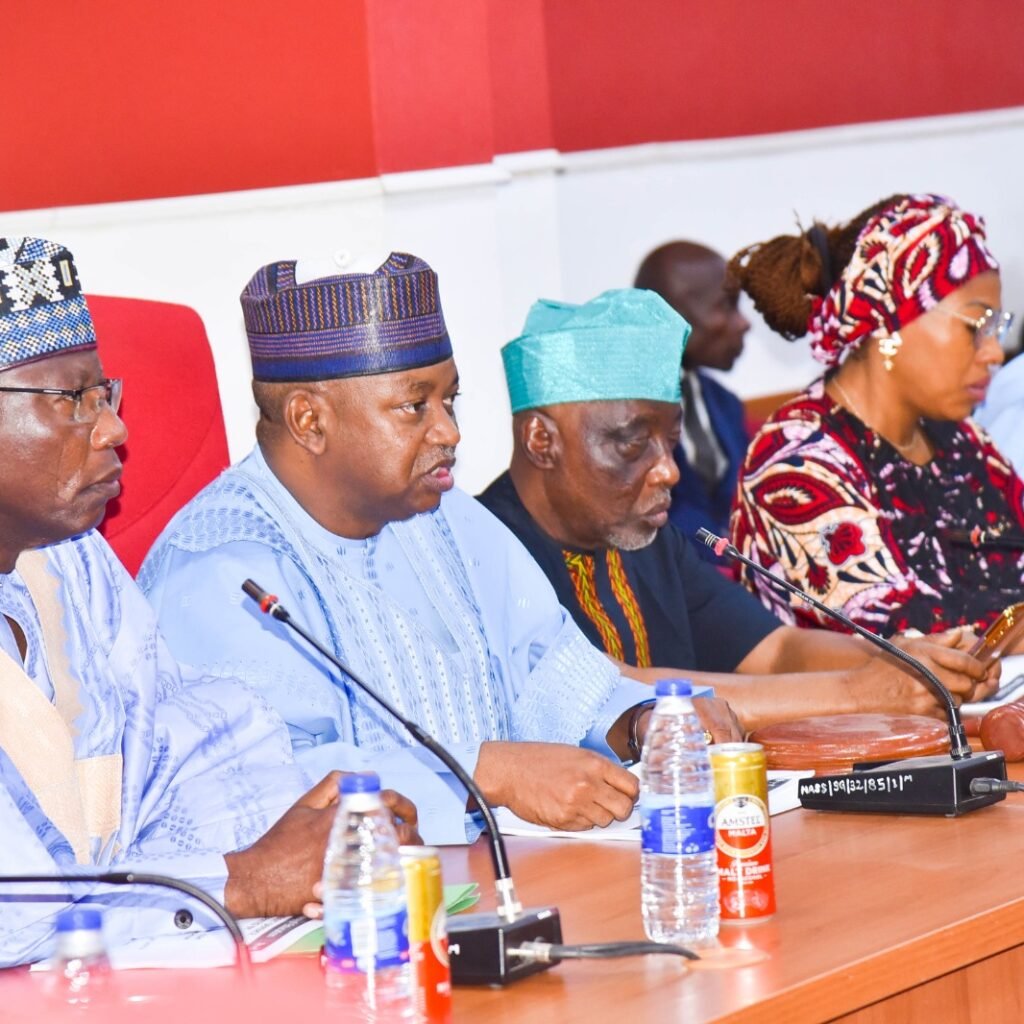
The Co-Chairman of the Joint Committee and Chairman of the Senate Committee on Education, Muntari Dandutse, stressed the National Assembly’s constitutional responsibility to scrutinise budget performance and ensure measurable delivery.
He called for detailed clarification on rollover projects to prevent repeated budget entries without visible execution.
Similarly, the Chairman of the House Committee on Education, Abubakar Hassan Fulata, and Deputy Chairman of the Senate Committee on Education, Babagida Hussain, requested nominal rolls and Internally Generated Revenue (IGR) breakdowns to strengthen transparency.
Education Renewal Agenda
Dr. Alausa outlined a six-point education renewal agenda focusing on:
STEMM advancement
Reducing out-of-school children
Girl-child education
Digitalisation of learning
Data-driven planning
Community engagement
He stated that the 2026–2028 ministerial deliverables align with President Bola Ahmed Tinubu’s Renewed Hope Agenda and the broader Education Sector Roadmap.
The Joint Committees formally received the submission for further legislative consideration, with additional documentation to be transmitted as requested.