
By Media Editorial Desk
A Promise of Opportunity Or a Path to War?
What begins as a promise of better pay, education, or residency abroad has, for some young Nigerians, ended in tragedy on the battlefield.
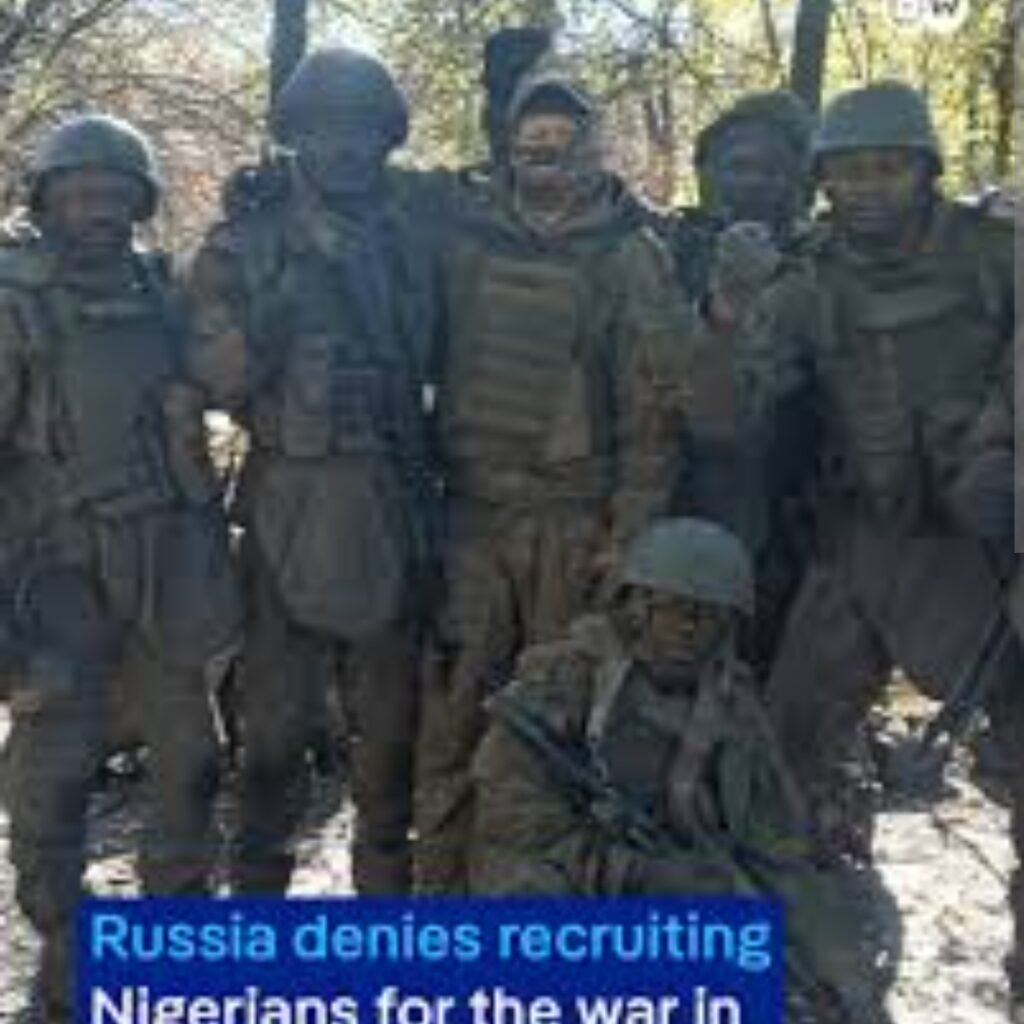
In recent months, credible international and Nigerian media reports have documented cases of Nigerian nationals who signed contracts in Russia only to find themselves deployed to the frontlines of the ongoing war between Russia and Ukraine.
Some never made it home.
This editorial examines verified evidence, official statements, and contested claims surrounding allegations that Nigerians were recruited — in some cases deceptively into the Russian military.
Confirmed Cases:
Nigerians Killed in Combat
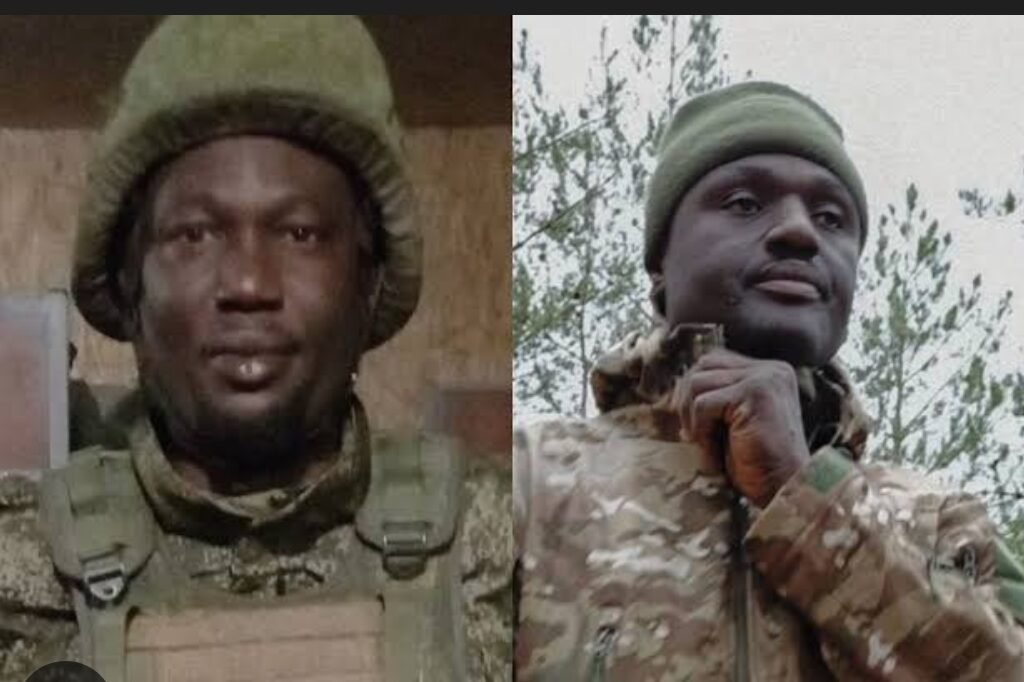
Ukrainian authorities and investigative reports identified at least two Nigerians Hamzat Kazeen Kolawole and Mbah Stephen Udoka who reportedly died while fighting alongside Russian forces in eastern Ukraine.
Reports indicate they signed military contracts in 2025. Sources claim they received minimal training before being deployed to an active combat zone, where they were later killed during hostilities.
While independent verification remains complex due to the fog of war, multiple reputable media platforms have corroborated their identities and the circumstances of their deaths.
The implication is stark: Nigerian citizens were present in a foreign war zone under Russian military command.
Allegations of Deceptive Recruitment
Investigations suggest a troubling recruitment pattern:
Job offers advertised as security, construction, or support roles
Promises of high wages and residency pathways
Contracts presented in Russian without interpreters
Confiscation of travel documents
Sudden deployment to combat roles
Some returnees and captured individuals have alleged they were misled about the nature of their engagement. Others claim they felt pressured into signing enlistment contracts after arrival.
However, it is important to distinguish between voluntary enlistment for financial gain and coercive or deceptive recruitment practices. The two are not the same and both may exist simultaneously.
Nigeria’s Official Position
The Federal Government of Nigeria has issued public warnings urging citizens to avoid unauthorized involvement in foreign armed conflicts.
Through the Ministry of Foreign Affairs, authorities cautioned Nigerians against signing unclear overseas contracts, particularly those connected to military activity.
Officials stressed that participation in foreign wars outside recognized national frameworks could expose individuals to:
Legal consequences
Loss of consular protection
Life-threatening risks
Complicated repatriation processes
The government has also indicated it is monitoring recruitment networks operating through informal channels.
Russia’s Response
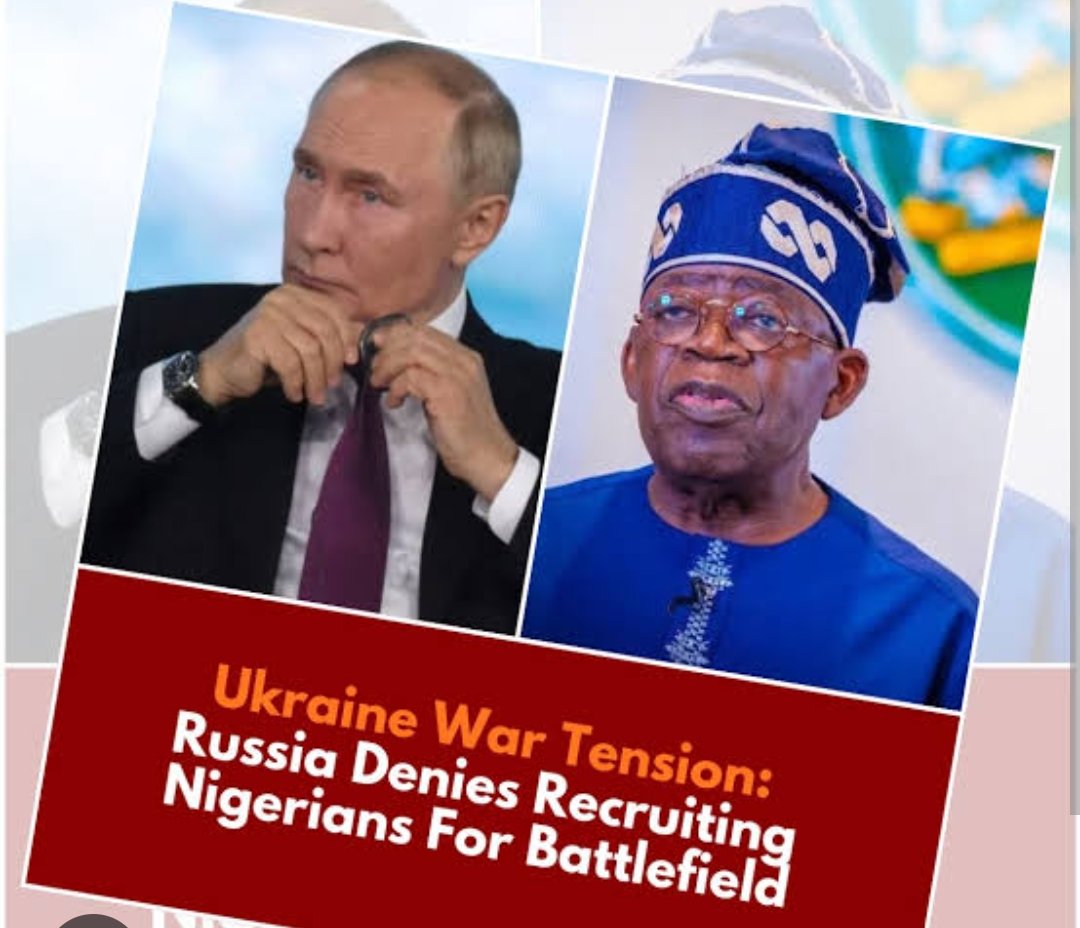
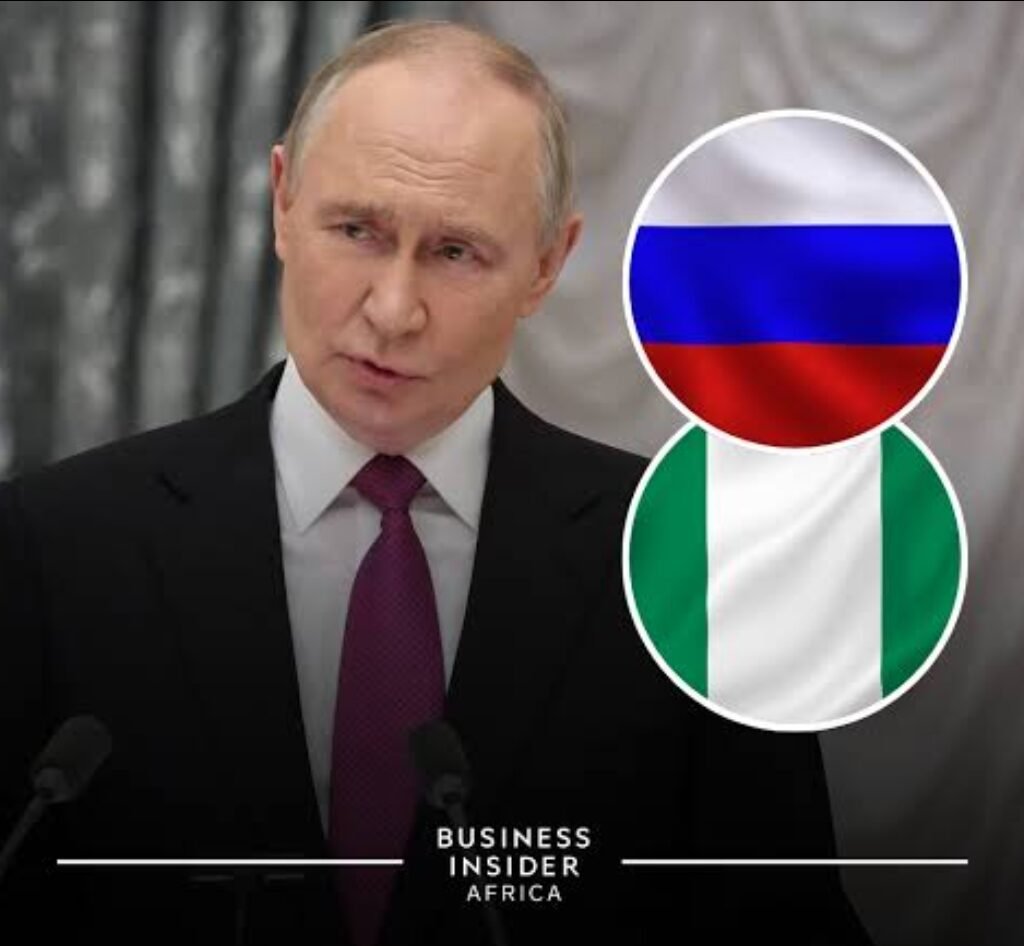
The Embassy of Russia in Nigeria has reportedly denied allegations of forced recruitment of Nigerians, stating that claims of coercion are inaccurate and damaging to bilateral relations.
Russian authorities maintain that any foreign national serving does so voluntarily under contract.
This denial highlights a central tension: Are these cases isolated voluntary enlistments driven by economic desperation, or evidence of a broader exploitative recruitment system targeting vulnerable foreigners?
The Economic Reality Behind the Trend
Nigeria’s youth unemployment crisis provides context.
For many young Nigerians facing limited opportunities, overseas contracts promising stable income in foreign currency are attractive even if details are vague.
War economies often absorb foreign labor, whether in logistics, construction, or security roles. But in active conflict zones, the line between support roles and combat engagement can disappear quickly.
Economic desperation, combined with limited due diligence and aggressive recruitment tactics, creates fertile ground for exploitation.
Legal and Ethical Implications
Under international law, individuals who fight in foreign conflicts outside official state deployment risk classification as mercenaries a designation that carries legal consequences and limited protections under the Geneva Conventions.
Even where contracts are signed voluntarily, questions remain:
Were recruits fully informed?
Were contracts transparent?
Did they understand the combat risks?
Was consent obtained under fair conditions?
These are not minor administrative issues. They are matters of life and death.
Editorial Position: Vigilance Over Vulnerability
The confirmed deaths of Nigerian nationals in the Russia–Ukraine conflict should not be dismissed as isolated incidents.
Whether driven by deception, coercion, or voluntary risk-taking, the outcome is the same: young Nigerians are dying in a war that is not theirs.
Authorities must:
Intensify investigations into recruitment networks
Strengthen public awareness campaigns
Collaborate internationally to curb exploitative war recruitment
Improve economic pathways at home
Citizens must also exercise extreme caution before accepting overseas offers that lack transparency.
Opportunity should never quietly transform into conscription.
In times of economic hardship, hope can be weaponized.
The tragedy unfolding in Eastern Europe is not only a geopolitical conflict it is also a warning about how vulnerability can be exploited across borders.
For Nigeria, the lesson is urgent: protect the youth not only from bullets abroad, but from false promises at home.