By Gabriel Ameh
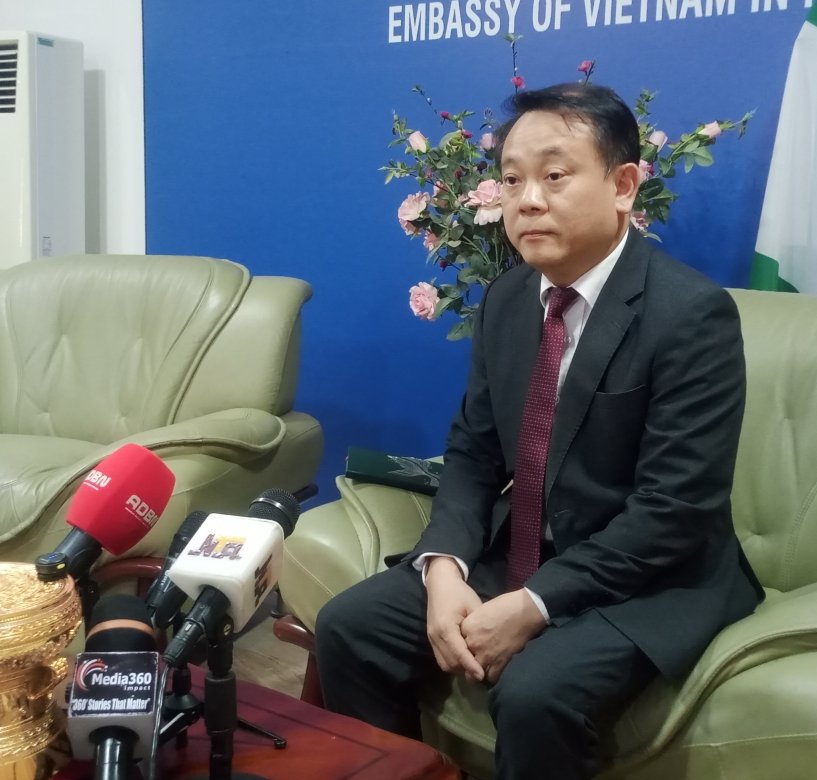
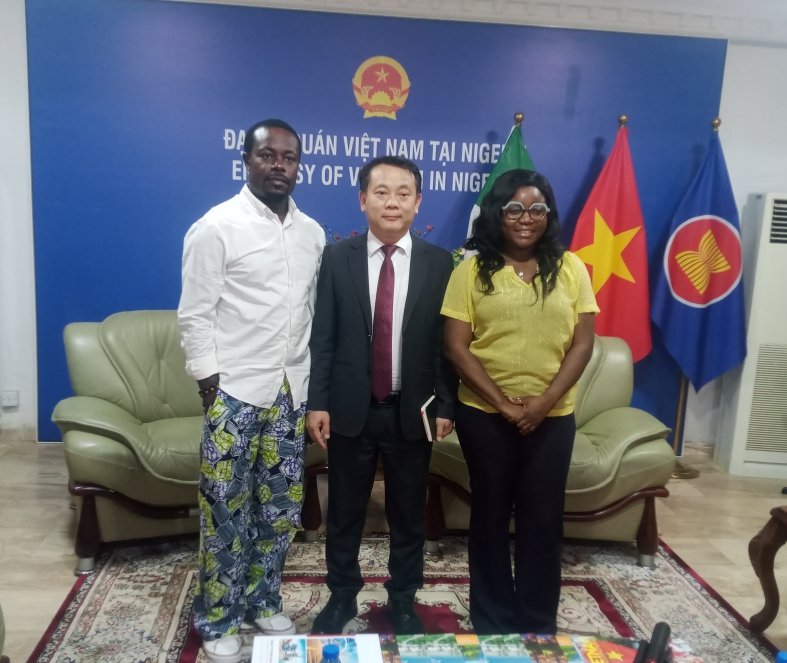
The Ambassador of the Socialist Republic of Vietnam to Nigeria, Mr. Bui Hung, has outlined the core principles that have sustained the Communist Party of Vietnam (CPV) for nearly a century, stressing people-centred governance, strict party discipline and internal democracy as key pillars of its success.
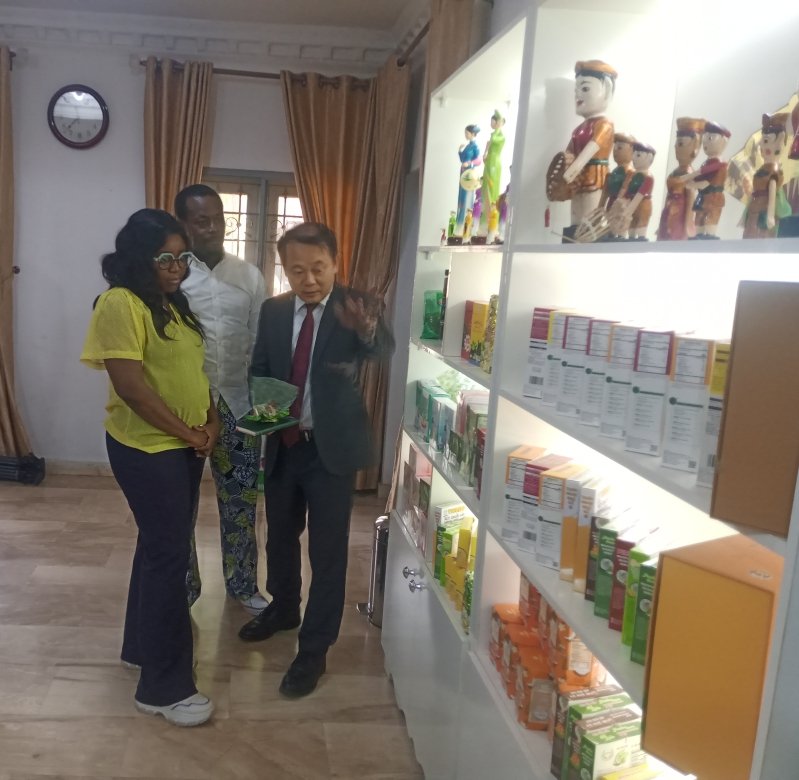
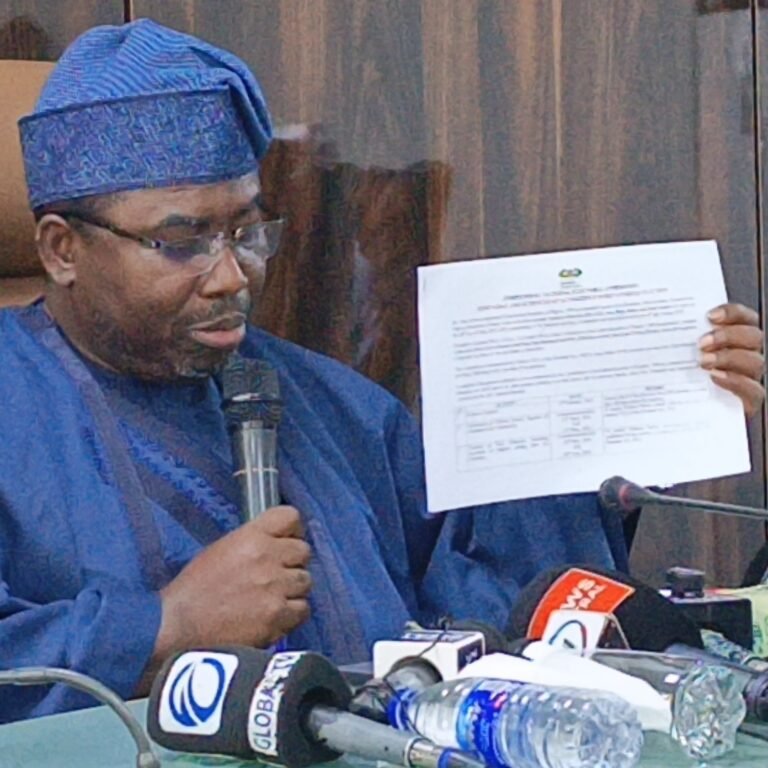
The envoy spoke in Abuja on Wednesday while addressing journalists at a press conference on the forthcoming 14th National Congress of the Communist Party of Vietnam, scheduled to hold in Hanoi in January 2026.
Ambassador Hung said the Communist Party of Vietnam was founded almost 100 years ago by ordinary citizens — farmers, workers and students — rather than political elites, noting that the party’s central mission has always been to serve the people.
“There is no other mission for a political party than serving its people,” he said. “From the beginning, the party focused on liberating Vietnam from colonial rule and later leading the people out of poverty, hunger and illiteracy.”
According to him, after Vietnam gained independence from French colonial rule, the party immediately turned its attention to fighting hunger and illiteracy, laying the foundation for social development and economic transformation.
He identified discipline as a major lesson from the party’s long survival, explaining that even when the party had only a few hundred members, it maintained a strong organisational structure guided by Marxism-Leninism and Ho Chi Minh Thought.
“The core of our ideology is people and discipline. This discipline has helped the party remain organised, effective and united from the top leadership to the grassroots,” the ambassador said.
He contrasted Vietnam’s experience with the collapse of the former Soviet Union, attributing part of its downfall to weakened party discipline during the reform era of the 1980s.
Ambassador Hung also stressed the importance of internal democracy, noting that open debate within the party and active engagement with citizens’ views have helped keep policies aligned with public needs.
On Vietnam’s economic reforms, the envoy recalled that the country once operated a centrally controlled economy marked by shortages and rationing, a system that later gave way to market-oriented reforms known as Đổi Mới.
“These reforms opened the economy to the private sector and global markets. Step by step, Vietnam integrated into the world economy and improved living standards,” he said.

He disclosed that Vietnam’s economy has recorded strong growth in recent years, with annual growth estimated at around 6–8 per cent, while the country’s GDP per capita income approaching $5,000.
Vietnam’s total trade volume, he said, has grown significantly, placing the country among the world’s top trading nations, exporting electronics, garments, rice, seafood and agricultural products to major markets including the United States, the European Union and Japan.
The ambassador also highlighted Vietnam’s expanding diplomatic footprint, noting that the country has established diplomatic relations with all 193 United Nations member states, contributes troops to UN peacekeeping missions in Africa, and is an elected member of key UN bodies, including the UN Human Rights Council.
On tourism, he said Vietnam continues to attract millions of visitors annually, reflecting the country’s growing global appeal.
Speaking on the upcoming party congress, Ambassador Hung described it as a major milestone that will adopt new political and socio-economic policy documents and elect a new party leadership to guide Vietnam’s development in the coming years.
He added that recent administrative reforms have streamlined ministries and local government structures to improve efficiency and governance.
The envoy concluded by noting that political parties globally, including those in Nigeria, could draw lessons from Vietnam’s experience in maintaining unity, discipline and people-focused governance over time.