
📍 Abuja | Media360Impact Editorial
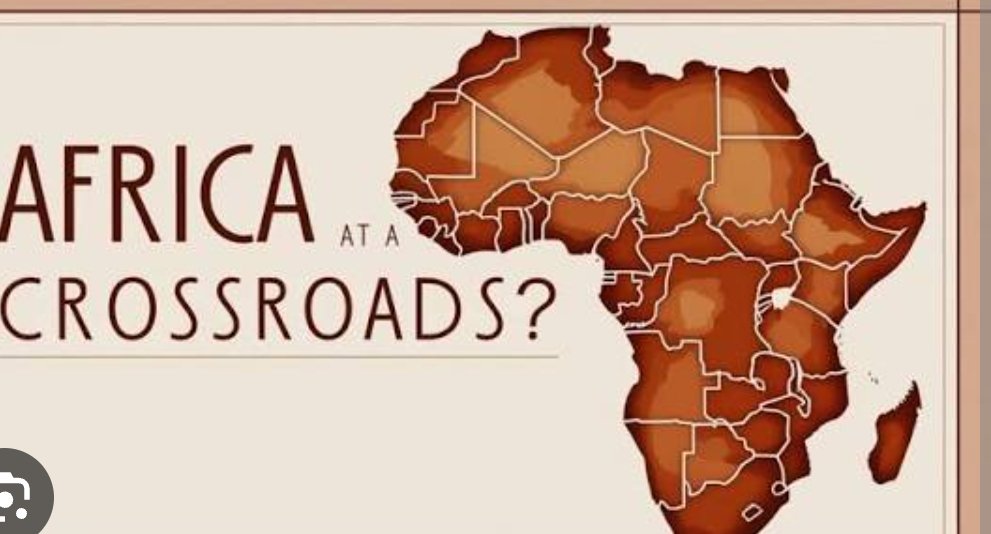
Africa is once again at the center of global power calculations not as a colony, not as a passive spectator, but as a decisive player in an unfolding geopolitical recalibration.
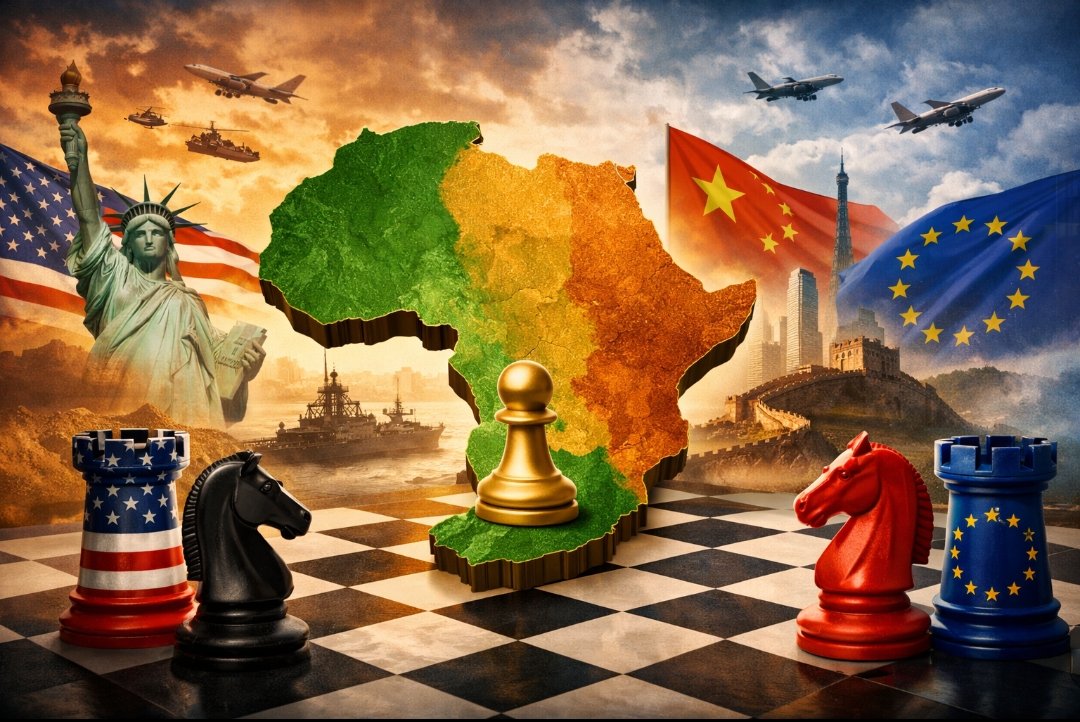
From Washington to Beijing, from Brussels to Moscow, and increasingly from Ankara to New Delhi, the continent has become a theatre of renewed strategic competition. But unlike the 19th-century scramble for territory, today’s contest is about influence, access, partnerships, markets, minerals, security leverage, and diplomatic alignment.
And at the heart of this strategic crossroads stands Nigeria.
A Different Kind of Scramble
The modern contest for Africa is not marked by warships docking uninvited on coastal shores.
It is marked instead by:
Infrastructure financing deals
Military training agreements
Counter-terrorism partnerships
Energy transition collaborations
Digital infrastructure investments
Climate finance pledges
Multilateral voting alignments
Major powers are recalibrating their Africa policies, recognizing the continent’s demographic growth, mineral wealth, maritime routes, and voting bloc power at global institutions like the United Nations.
Africa today holds:
Over 1.4 billion people
The youngest population globally
Critical minerals essential for green technology
Expanding consumer markets
Strategic shipping corridors
This reality has triggered a subtle but intense diplomatic competition.
Nigeria: A Strategic Pivot State
Nigeria, Africa’s most populous nation and one of its largest economies, is not merely observing this global repositioning it is navigating it carefully.
Its relationships span:
Security cooperation with Western powers
Expanding trade and infrastructure engagement with China
Energy and development partnerships with Europe
Growing diplomatic engagements across the Global South
Rather than committing exclusively to one geopolitical bloc, Nigeria appears to be pursuing strategic multi-alignment a policy approach that prioritizes national interest over ideological loyalty.
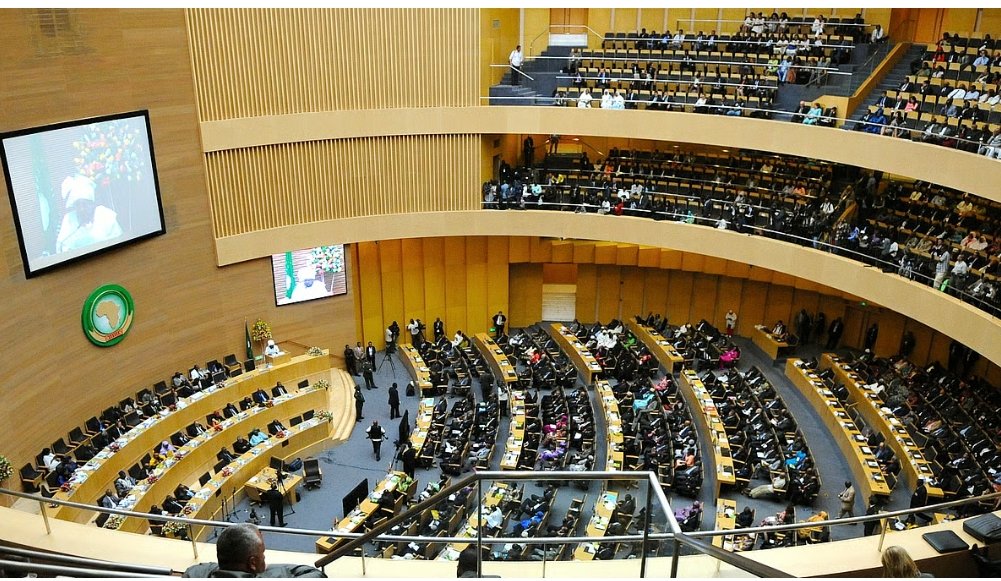
This balancing act reflects a broader African shift: states are increasingly asserting sovereignty in foreign policy choices rather than accepting inherited alignments.
The Currency of Influence
In the past, influence was measured in territorial control. Today, it is measured in:
Infrastructure financing
Military training presence
Development aid architecture
Technology transfer
Digital connectivity
Energy investment
Supply chain partnerships
Foreign military bases, port access agreements, and mineral concessions now function as strategic currency.
The Gulf of Guinea, for example, remains critical to global maritime trade. The Sahel’s instability has drawn international counter-terrorism attention. Meanwhile, Africa’s lithium, cobalt, and rare earth reserves are essential for electric vehicles and renewable energy technologies.
In this context, allegiance is not demanded outright it is cultivated through economic interdependence.
The Risk of Dependency
However, competition brings complexity.
African nations face delicate questions:
How do you leverage global rivalry without becoming over-dependent on one partner?
How do you negotiate infrastructure loans without mortgaging fiscal sovereignty?
How do you accept security support without compromising strategic autonomy?
The challenge is not choosing sides it is avoiding entanglement.
A mismanaged alliance can tilt a nation into debt distress, diplomatic isolation, or strategic vulnerability. A well-managed one can unlock industrial growth, infrastructure modernization, and technological advancement.
The margin between opportunity and overreach is thin.
Diplomatic Agency in a Multipolar World
The global order is shifting toward multipolarity. The dominance of a single superpower is increasingly replaced by distributed influence across several major actors.
For Africa, this presents leverage.
Instead of being compelled to align, countries can:
Diversify partnerships
Negotiate from competition
Secure better financing terms
Demand technology transfer
Insist on local content development
Tie agreements to domestic economic transformation
This is where diplomacy becomes strategy.
Beyond Power Politics: The Development Imperative.Ultimately, the true measure of this new geopolitical contest will not be how many foreign delegations visit African capitals but whether ordinary citizens experience tangible improvements.
Do new partnerships translate to:
Reliable electricity?
Expanded job creation?
Improved infrastructure?
Security stabilization?
Youth empowerment?
If influence does not convert into domestic development, then geopolitical balancing becomes symbolic rather than substantive.
Media360Impact Perspective

At Media360Impact, we observe that Africa’s new diplomatic moment is not about allegiance to power centers it is about strategic self-definition.
The continent is no longer a passive chessboard. It is increasingly learning to move its own pieces.
For Nigeria and its peers, the task ahead is clear:
Maintain non-aligned pragmatism
Guard sovereignty
Strengthen institutional negotiation capacity
Anchor foreign policy in measurable domestic outcomes
The new scramble is real but unlike history’s darker chapters, Africa now has the opportunity to shape the rules of engagement.
The question is not who will win Africa.
The question is whether Africa will leverage this moment to win for itself.