
0-0x0-0-0-{}-0-0#
By media360impact Editorial
📍 Abuja | Media360Impact Report
The 2026 Federal Capital Territory (FCT) Area Council elections were conducted in a largely peaceful atmosphere across the six area councils of Abuja, with no widespread disruption reported in most polling locations.
However, observations across several wards indicate that logistical delays, voter redistribution challenges, and isolated procedural lapses affected the smooth conduct of the exercise in parts of the territory.
The elections, organised by the Independent National Electoral Commission (INEC), were held to fill chairmanship positions across the six area councils and 62 councillorship seats.
Late Opening in Several Polling Units
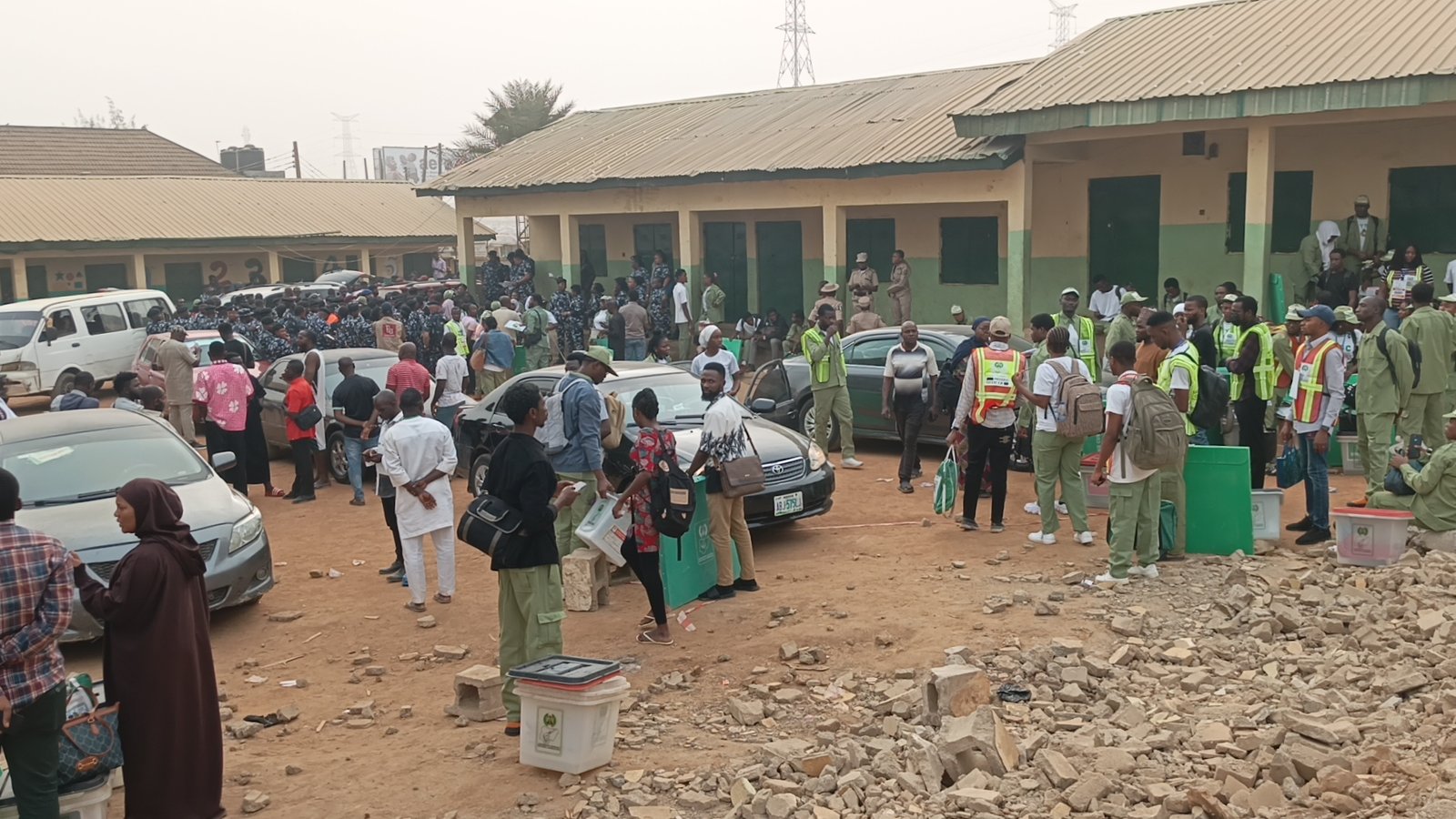
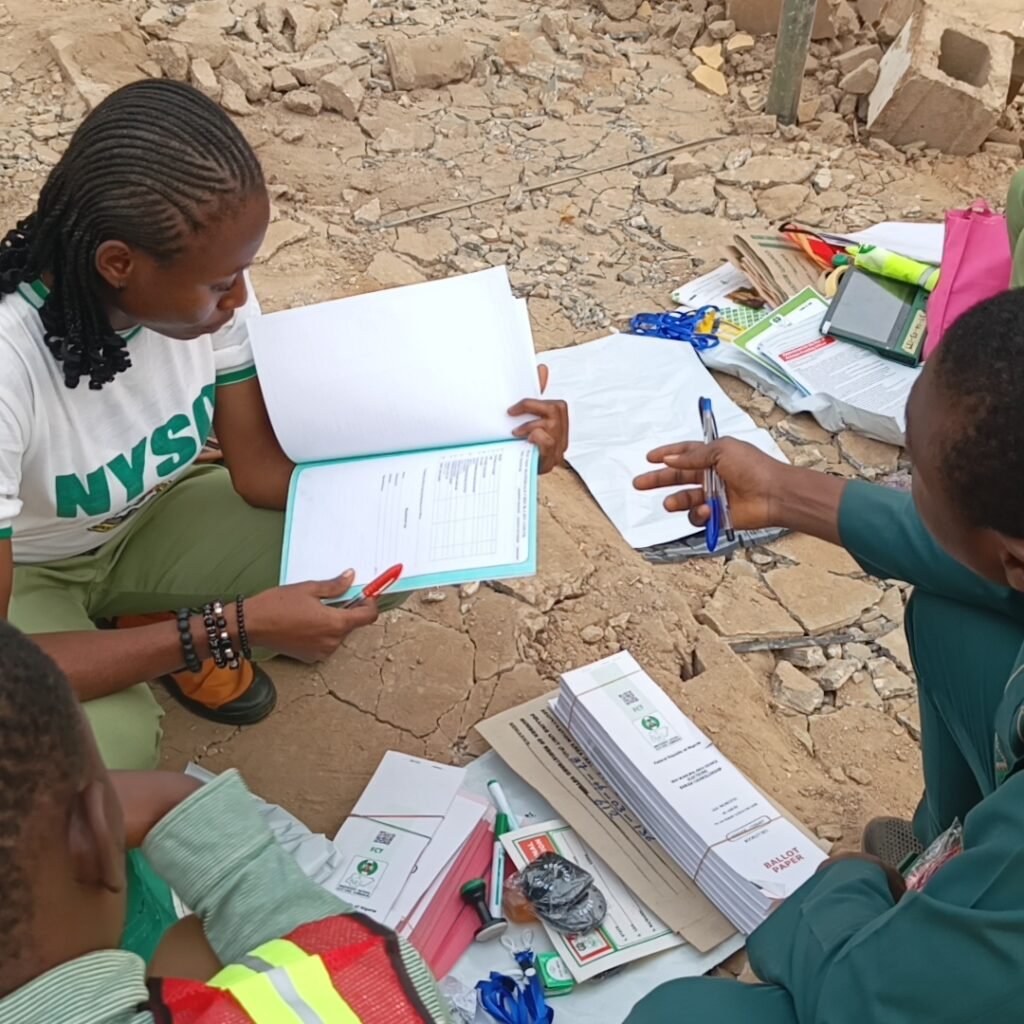
In multiple polling units visited across the FCT, accreditation and voting did not commence at the officially scheduled time. In parts of the Abuja Municipal Area Council (AMAC), election officials were still arranging materials and setting up voting areas as of 9:00 a.m., with voting beginning around 10:00 a.m. in some locations.
While the delays were not uniform across the territory, they were significant enough in certain areas to cause extended waiting times for early-arriving voters.
Material Deployment and Setup Issues
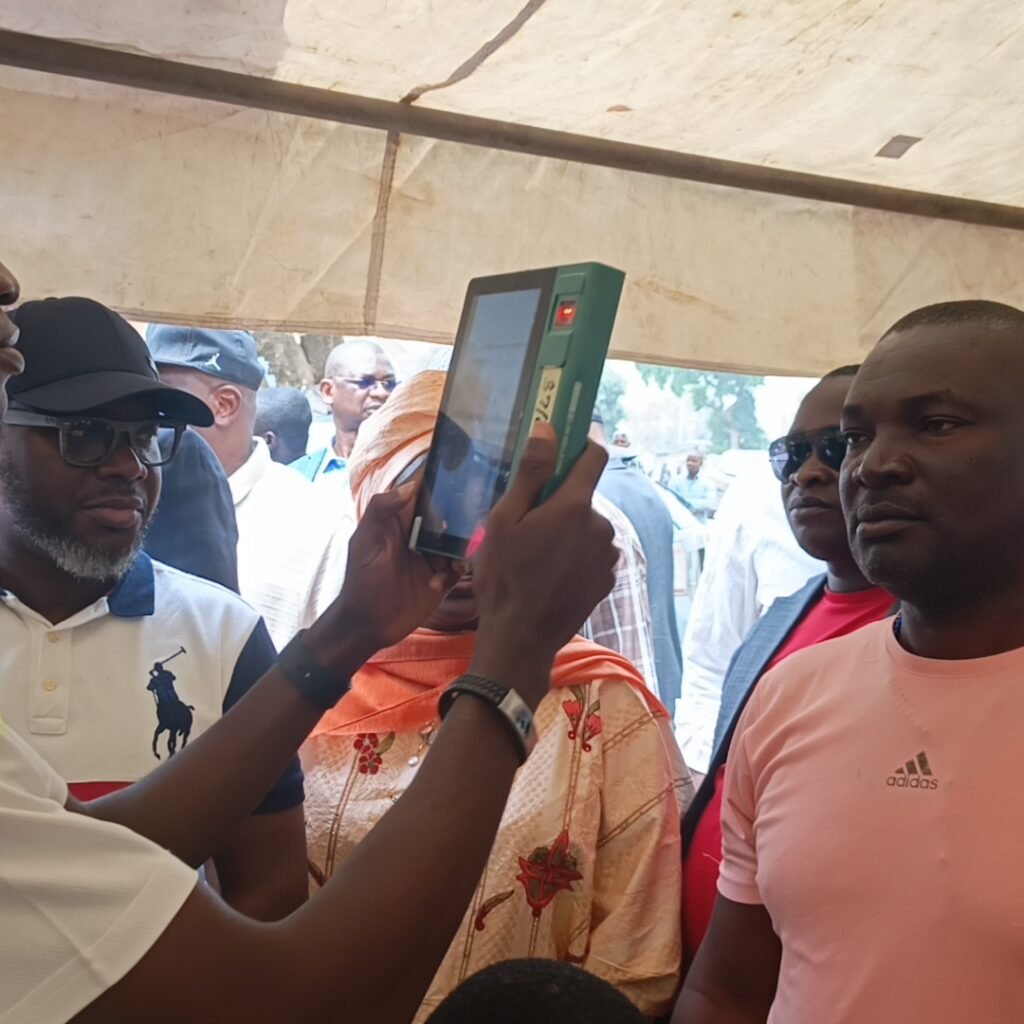
Essential materials such as the Bimodal Voter Accreditation System (BVAS) devices and voter registers were present in most polling units observed.
However, in isolated cases, certain materials were either delayed or not immediately available at the time of opening.
There were also reports of missing voting cubicles in a few locations and at least one polling unit where an ink pad was not sighted during early observation.
Although many of these issues were later addressed, they contributed to slow commencement in affected areas.
Voter Redistribution Created Confusion
One of the more significant administrative concerns observed during the election was voter redistribution to newly created polling units.
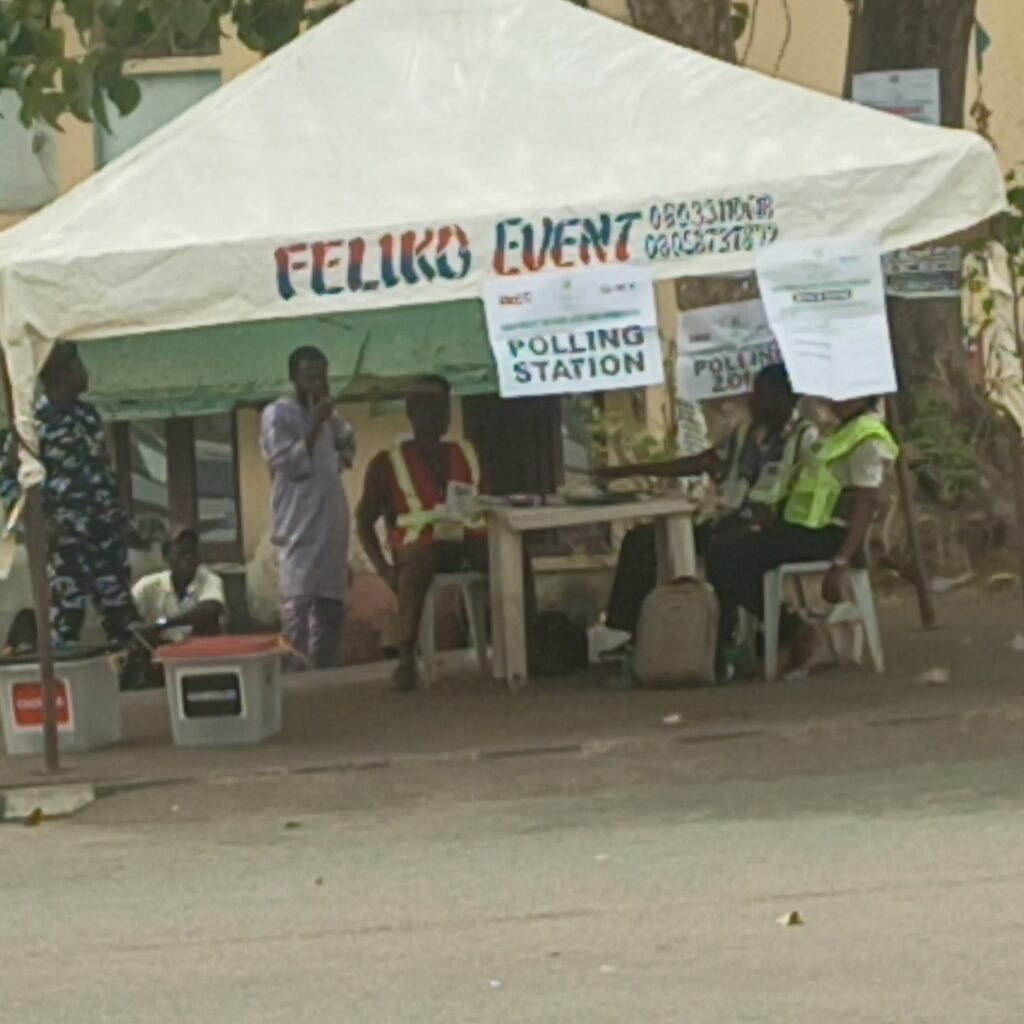
Several voters arrived at their previous polling locations only to discover that they had been reassigned. While notifications were reportedly sent via SMS, some voters stated they received the messages on Election Day.
This resulted in confusion at certain polling centres, with some voters spending considerable time attempting to confirm their designated units. In some instances, congestion was recorded as voters moved between nearby polling units within the same vicinity.
Observers also noted uneven voter distribution in some polling locations, raising questions about the operational planning of the redistribution process.
Early Closure in Isolated Cases
There were reports of a few polling units closing before the official 2:30 p.m. deadline. Electoral guidelines require polling units to remain open until 2:30 p.m. or until the last voter on the queue has voted.
While turnout was generally low in several polling units, adherence to official closing times remains a critical component of electoral compliance.
Low Voter Turnout
Across multiple wards, turnout appeared lower than expected. While voter participation is influenced by broader political and social dynamics, administrative delays and confusion may have further discouraged participation in certain areas.
Why This Matters
Elections are measured not only by their peacefulness but by their efficiency, accessibility, and transparency.
Even when violence is absent, delays, communication gaps, and logistical inconsistencies can affect voter confidence in the system. Administrative efficiency is central to strengthening democratic participation, particularly in the nation’s capital.
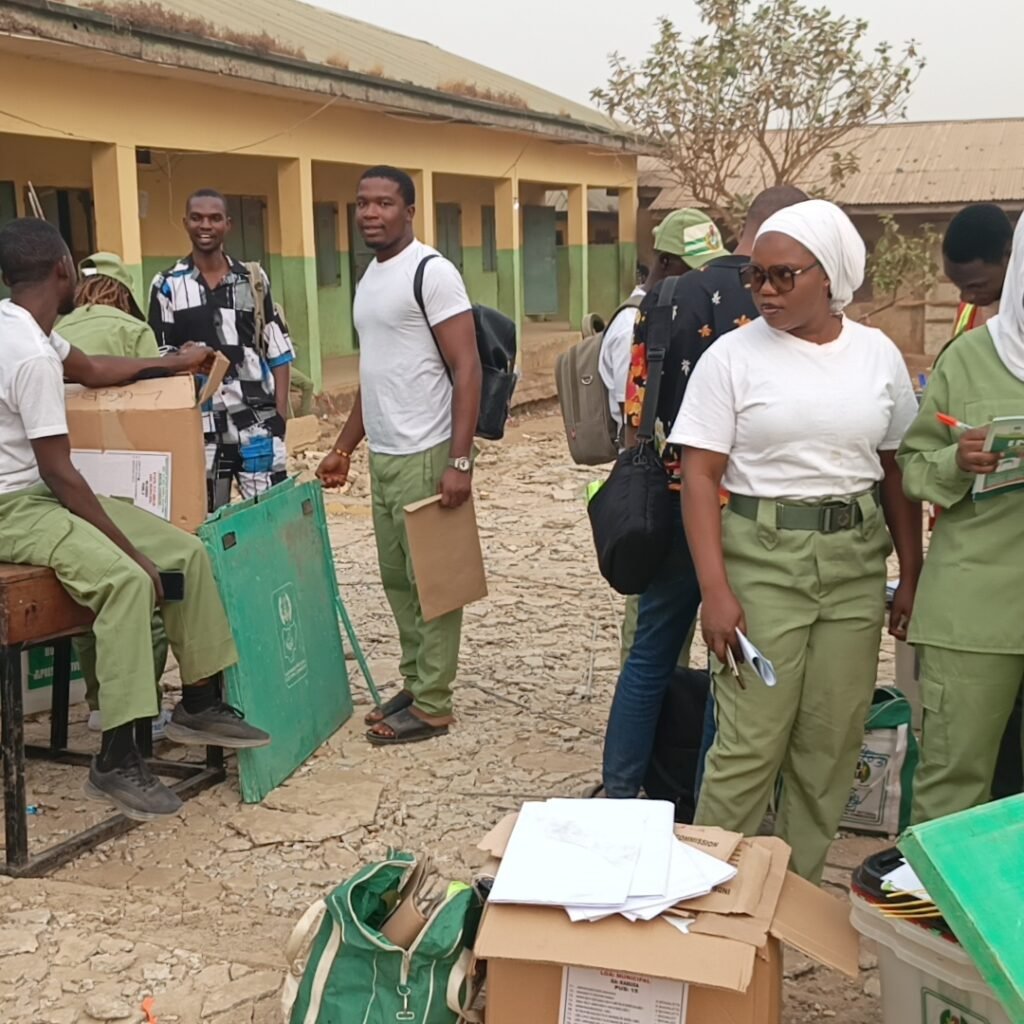
Ensuring timely deployment of materials, clear communication regarding polling unit changes, and strict adherence to procedural guidelines will be essential in reinforcing public trust in future elections.
As collation of results concludes across ward and area council centres, attention will shift to the integrity and transparency of the results management process.
For Abuja and Nigeria at large improving electoral processes remains as important as the outcomes they produce.
Follow Media360Impact for credible, people-centered reporting.