
By Gabriel Ameh
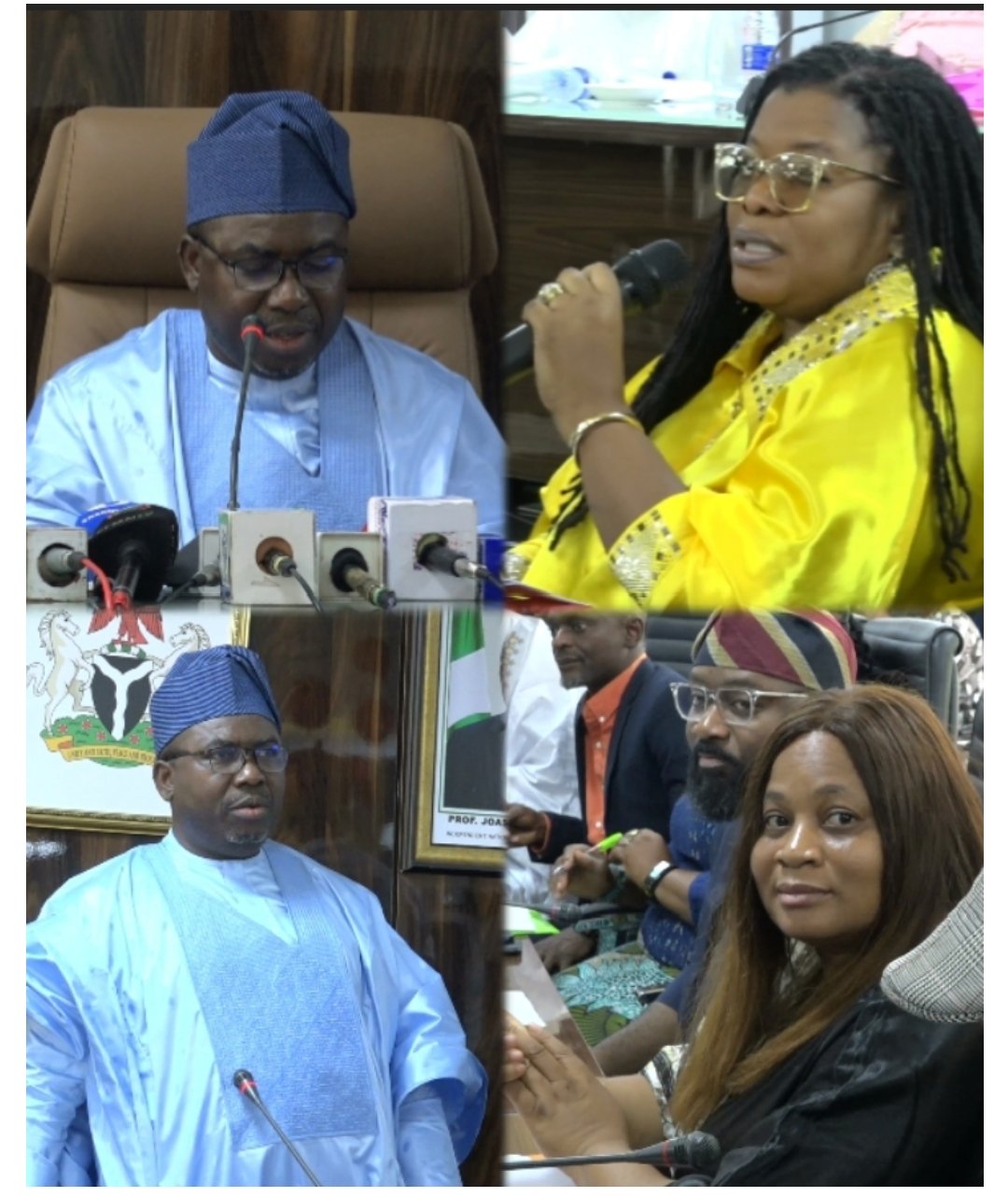
When the Chairman of the Independent National Electoral Commission (INEC), Prof. Joash O. Amupitan, SAN, met with media executives in Abuja for his first quarterly consultative session, the message went beyond routine updates. It was a strategic signal about how INEC intends to manage elections between now and the 2027 General Election and the central role the media and voters will play.
Here’s what it really means.
- Why This Meeting Matters
Quarterly meetings with the media are not just ceremonial. They are part of INEC’s effort to shape the information environment around elections.
Amupitan’s key line “Elections are no longer contested only at polling units but also in the information space” captures a growing reality: misinformation, fake results, hate speech, and manipulated narratives can undermine public trust as much as logistical failures on election day.
By engaging editors and media owners early, INEC is trying to ensure that accurate information travels faster than falsehoods as the country approaches multiple elections in 2026 and the general polls in 2027. - Immediate Test: FCT Area Council Elections (21 February 2026)
The upcoming FCT Area Council elections will serve as a practical test of INEC’s readiness under the new leadership.
Key facts:
1,680,315 registered voters
2,822 polling units
Mock accreditation on 7 February in 289 polling units
Non-sensitive materials already deployed
BVAS devices configured
Sensitive materials to arrive one day before the poll
For observers, this election will indicate how prepared INEC is in terms of logistics, technology deployment, and voter management ahead of bigger contests. - Bye-Elections in Rivers and Kano: Why They’re Important
Holding bye-elections the same day in:
Ahoada East II & Khana II (Rivers)
Kano Municipal & Ungogo (Kano)
shows INEC’s intent to avoid electoral vacancies and maintain representation. These smaller elections often receive less attention, but they are important indicators of how INEC handles multi-location operations simultaneously. - Ekiti and Osun Governorship Timelines Are Now Clear
INEC confirmed:
Ekiti Governorship Election 20 June 2026
Osun Governorship Election 8 August 2026
This early clarity helps:
Political parties plan primaries
Security agencies prepare
Voters and civil society begin early engagement
Media track the electoral calendar accurately - The Big Number: 2.78 Million New Voters
During the first phase of the Continuous Voter Registration (CVR), 2,782,587 Nigerians registered.
This signals:
Growing voter interest
The need for intensified PVC collection
Increased responsibility on INEC to manage a larger voter base efficiently
The second phase runs until 17 April 2026. - PVC Collection Deadline in FCT 10 February
This is critical. Many registered voters still fail to collect their PVCs, which disenfranchises them.
INEC is relying on the media to amplify this message because a registered voter without a PVC cannot vote. - 171 Associations Want to Become Political Parties
INEC disclosed it has received 171 applications from associations seeking party registration.
This highlights:
Rising political participation
The need for strict legal screening
The possibility of a more crowded political space ahead of 2027 - Why INEC Is Calling Out the Media
Amupitan’s appeal to journalists is not accidental. In recent elections, false results, fake BVAS reports, and misleading narratives have spread rapidly online before official clarification.
INEC wants journalists to:
Verify information through official channels
Counter misinformation quickly
Reduce sensational reporting that can trigger tension
Help curb hate speech and vote buying narratives
What This Means for Nigerians
For voters:
Pay attention to PVC collection and CVR deadlines
Follow official INEC updates
For journalists:
Election reporting now requires fact-checking in real time
The credibility of the vote is tied to the credibility of information
For political actors:
The electoral calendar is clear; preparation time is now
The Road to 2027 Has Quietly Started
Though the general election is still over a year away, INEC has effectively signaled that preparations are already in motion through smaller elections, voter registration, stakeholder engagement, and media collaboration.
This meeting was less about speeches and more about setting the tone for how elections will be managed and reported in the months ahead.